
Cat Not Eating
Causes, warning signs, and when to call a veterinarian about your cat won’t eat.
When your cat skips a meal, it’s easy to brush off. Cats can be picky. But when it stretches into a full day or more, it gets harder to ignore. A cat that won’t eat is one of the most common reasons owners call a vet, and for good reason. In cats, not eating isn’t just a symptom. It can quickly become a problem all on its own.
This guide covers why cats stop eating, what to watch for, and when it’s time to contact a veterinarian in Lakeville, MN.
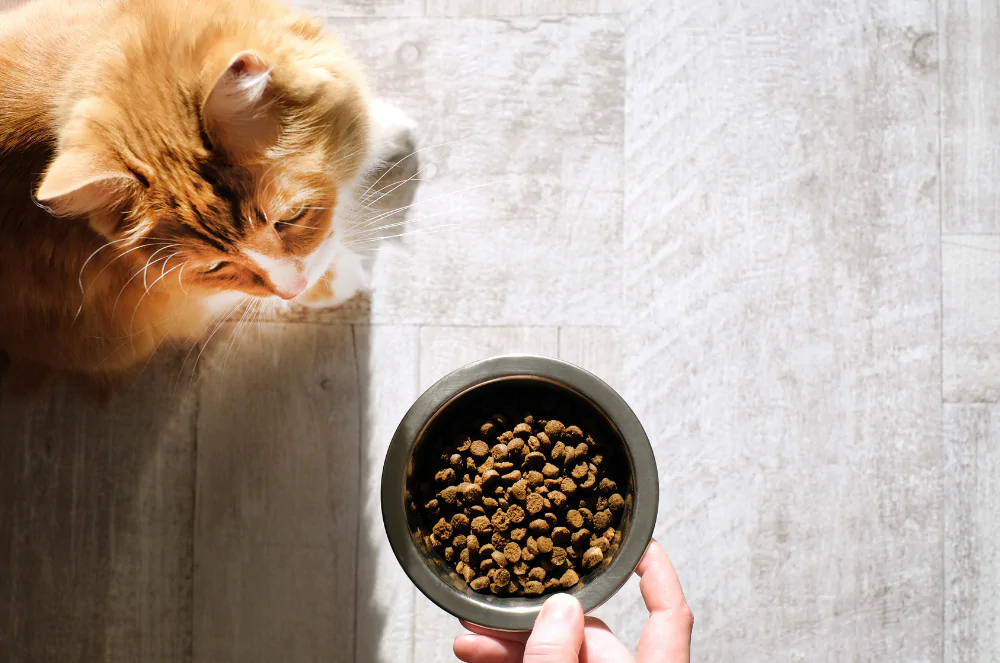
Why Is My Cat Not Eating?
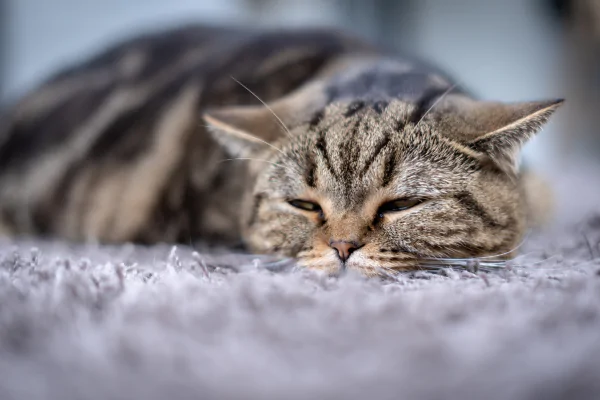
Loss of appetite in cats can be tied to a wide range of causes, from something minor to something that needs prompt medical attention.
Common causes include:
- Stress or environmental changes (new pet, new home, new schedule)
- Upper respiratory infection
- Dental pain or tooth disease
- Nausea or digestive upset
- Kidney disease
- Liver disease
- Hyperthyroidism
- Diabetes
- Pancreatitis
- Intestinal blockage or constipation
- Cancer
- Recent vaccination (mild, temporary appetite loss)
- Food aversion or a change in food
The tricky part with cats is that they tend to hide discomfort well. By the time you notice they’re not eating, something may have already been going on for a while.
Don’t Just Take Our Word For It
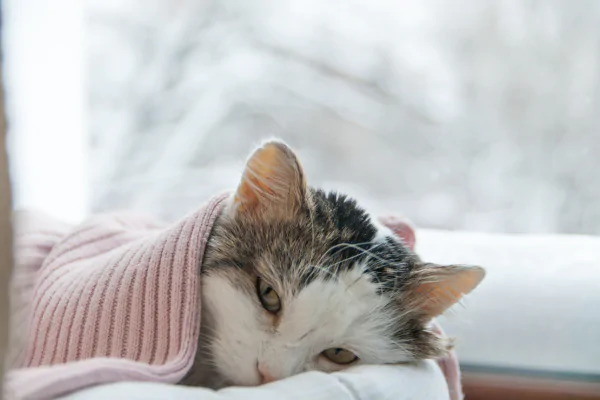
When Is a Cat Not Eating an Emergency?
A cat that hasn’t eaten for more than 24 to 48 hours needs veterinary attention. Unlike dogs, cats are at risk for a serious liver condition called hepatic lipidosis (fatty liver disease) when they go without food for too long. It can develop quickly and become life-threatening.
Call us right away if your cat:
- Hasn’t eaten in 24 hours or more
- Is lethargic or unusually weak
- Is hiding more than normal
- Has also stopped drinking water
- Is vomiting or has diarrhea
- Is losing weight noticeably
- Has yellow-tinted skin, eyes, or gums (jaundice)
- Is breathing differently than normal
- Is in pain or crying out
Don’t wait this one out. With cats, the timeline matters more than most people realize.
Cat Not Eating but Drinking Water
If your cat has stopped eating but is still drinking water, that’s worth noting. It rules out some causes but doesn’t mean everything is fine.
Possible explanations include:
- Nausea without vomiting
- Dental pain making eating uncomfortable
- Early-stage kidney disease (increased thirst is common)
- Hyperthyroidism
- Diabetes
A cat that’s drinking more water than usual while skipping meals should be evaluated. Increased thirst alongside appetite loss is a pattern that often points to something systemic going on.
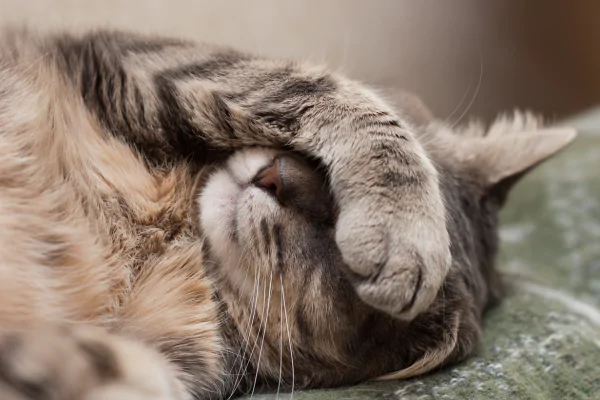
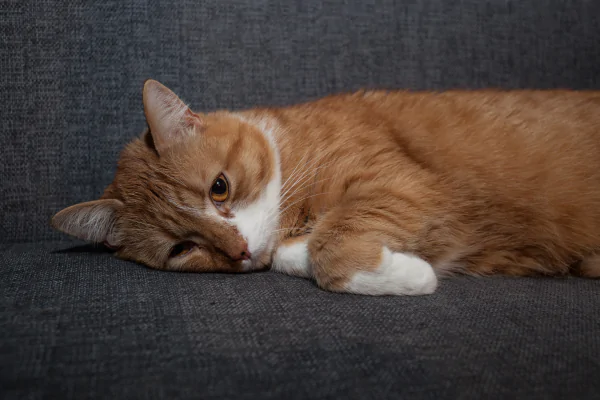
Cat Not Eating and Lethargic
This combination is one of the more concerning ones. A cat that’s both refusing food and unusually tired or withdrawn is telling you something is wrong.
Lethargy paired with not eating can indicate:
- Infection (viral or bacterial)
- Organ disease (kidney, liver, heart)
- Severe pain
- Anemia
- Toxin ingestion
- Advanced illness
If your cat has been lethargic and not eating for more than a day, don’t wait to call. This pairing warrants an exam.
Why Families Choose Us
Family-Centered Care
Award-Winning Team
Independently Owned
How We Diagnose Why Your Cat Isn’t Eating
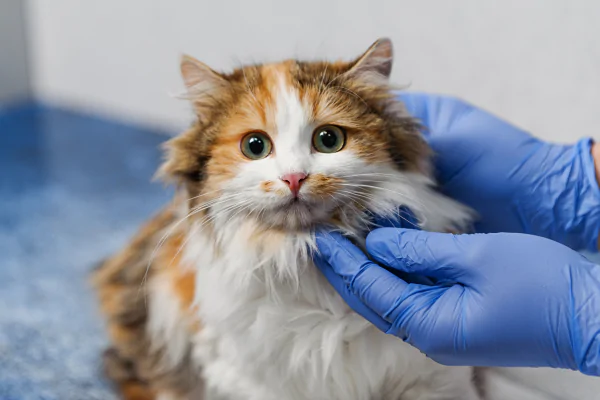
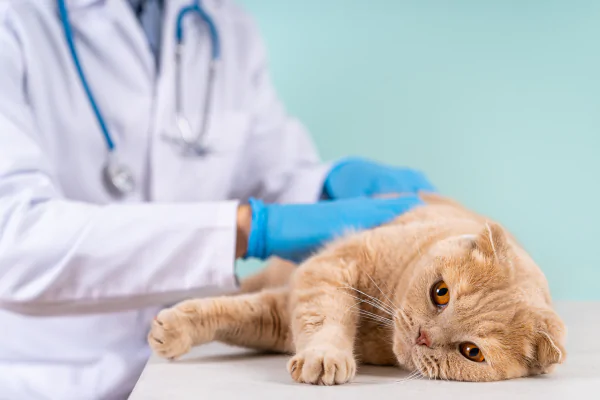
At Lakeville Family Pet Clinic, we start by getting the full picture. Cats can’t tell us what’s wrong, so the diagnostic process matters. Depending on your cat’s symptoms and history, evaluation may include:
- Full physical examination
- Bloodwork (to check organ function, thyroid levels, blood sugar, and more)
- Urinalysis
- X-rays or ultrasound
- Dental examination
- Blood pressure measurement
Getting to the actual cause is the only way to treat it effectively.
Treatment Options for Cats That Won’t Eat
Treatment is completely dependent on what’s driving the appetite loss.
Options may include:
- Appetite stimulants
- Anti-nausea medication
- Fluid therapy for dehydration
- Dental treatment if oral pain is involved
- Dietary changes or a prescription diet
- Management of underlying disease (kidney, thyroid, diabetes, etc.)
- Nutritional support or assisted feeding in serious cases
- Hospitalization when necessary
The sooner the cause is identified, the more treatment options are available.
F.A.Q
How long can a cat go without eating?
Most healthy adult cats can physically survive a few days without food, but that doesn’t mean it’s safe to wait. After 24 to 48 hours, the risk of hepatic lipidosis (fatty liver disease) starts to climb. Call your vet at the 24-hour mark.
Why is my cat not eating but acting normal?
Some cats stop eating due to stress, a food change, or mild nausea while still appearing fairly normal otherwise. Monitor closely, but if it continues past 24 hours, it’s worth a call to your vet.
Should I try a different food if my cat won't eat?
You can try offering a different texture or slightly warming up wet food to make it more appealing. But if your cat is consistently refusing food, switching foods isn’t a substitute for finding out why.
Can stress make a cat stop eating?
Absolutely. Cats are sensitive to change. A new baby, a new pet, a move, or even rearranging furniture can cause a cat to go off their food. If stress is the suspected cause, your vet can help you address it.
Is it normal for cats to stop eating after a vet visit?
Mild appetite loss for 12 to 24 hours after a vaccination or stressful vet visit can be normal. Beyond that, or if other symptoms appear, contact us.

Related Care and Pet Health Resources
Browse more cat health concerns or return to all pet health concerns.
Request an appointment if your pet needs veterinary care.