
Preventative Veterinary Care for Dogs and Cats in Lakeville, MN
Most health problems in pets are easier – and less expensive – to treat when they’re caught early. That’s the whole point of preventative care. At Lakeville Family Pet Clinic, we don’t just see your dog or cat when something’s wrong. We build a relationship with them over time, track changes from year to year, and catch things that would otherwise go unnoticed until they become a bigger problem.
We provide comprehensive wellness care for dogs and cats throughout Lakeville, Apple Valley, Farmington, Rosemount, Burnsville, Eagan, Prior Lake, and the surrounding Dakota County area.
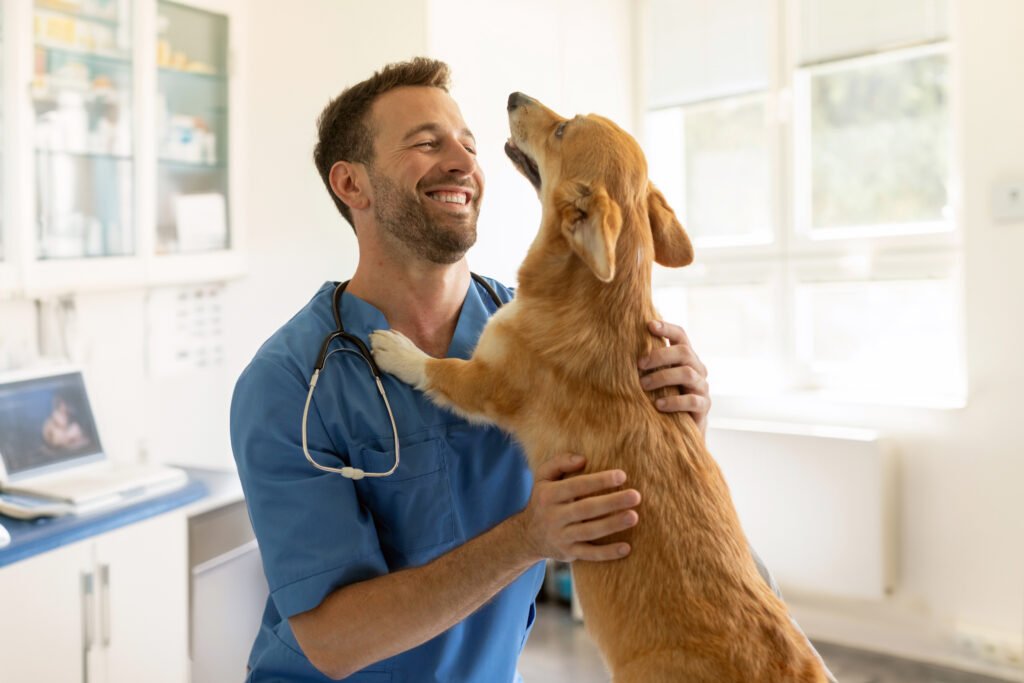
Preventative Veterinary Care in Lakeville, MN
Most health problems in pets are easier — and less expensive — to treat when they’re caught early. That’s the whole point of preventative care. At Lakeville Family Pet Clinic, we don’t just see your pet when something’s wrong. We build a relationship with them over time, track changes year to year, and catch things that would otherwise go unnoticed until they become a bigger problem.
A pet that seems perfectly healthy can have early-stage kidney disease, a heart murmur, dental disease, or elevated thyroid levels — conditions that are detectable during an exam but produce no obvious symptoms at first. The only way to find them is to look. That’s what a wellness visit is for.
We recommend annual bloodwork as part of every adult pet’s wellness plan, and more frequent screening for seniors or any pet on long-term medication. Internal organ function doesn’t show up on a physical exam alone — lab work is how we track trends, catch changes early, and make sure recommendations we’re making in the exam room are actually the right ones for your pet’s individual health picture. Clients who’ve been with us for a while see this as routine. It becomes a baseline that makes everything else easier to interpret over time.
As an AAHA-accredited clinic, every wellness visit at Lakeville Family Pet Clinic is held to the highest standards in veterinary medicine. That means a consistent, thorough approach to preventative care — not just for the obvious things, but for the conditions that develop quietly and are only caught when someone’s actually looking for them.
What to Expect at a Preventative Care Visit
Check-In
Head-to-Tail Physical Exam
Diagnostic Screening
Vaccinations and Parasite Prevention
Dental Health Evaluation
Discussion and Next Steps
Why Preventative Care Matters
Pets age faster than people do, and a lot can change in a year. Annual wellness exams are how we stay ahead of problems instead of chasing them — and how we build the kind of long-term relationship with your pet that makes every visit more useful than the last.
- Conditions like kidney disease, heart disease, and cancer are far more treatable when caught early
- Annual bloodwork establishes a baseline that makes future changes easier to identify
- Vaccines and parasite prevention stay current without you having to track it yourself
- Dental disease is caught and managed before it affects systemic health
- Senior pets get the more frequent monitoring they need as their health changes faster
- You build a relationship with a veterinary team that actually knows your pet over time
- Kidney disease, diabetes, and thyroid conditions often show no visible symptoms until they’re advanced
- Dental disease affects the majority of adult pets and causes chronic pain that’s easy to miss
- Pets on long-term medications need bloodwork to confirm the medication is still safe and appropriate
- Vaccines lapse and parasite prevention gaps open up without a regular check-in
- Longer gaps between visits make it harder to spot what’s changed — and harder to catch it early
- What could have been a routine intervention becomes a more involved and more expensive treatment
Signs Your Pet May Be Due for a Wellness Visit
You don’t need an obvious problem to schedule a wellness visit. But here are some situations where it’s definitely time to call.
- It’s been more than a year since their last wellness exam
- Your pet is seven or older and hasn’t had a recent checkup
- You’ve noticed a change in eating, drinking, weight, or energy
- Your pet is on a long-term medication and hasn’t had recent bloodwork
- You have a new puppy or kitten who needs to start their vaccine series
- Your pet hasn’t had a dental evaluation recently
- You’re not sure if their parasite prevention is current or the right fit
- They seem a little off but you can’t pinpoint what it is
- You’re a new client and want to establish care with a full health baseline
- You just want a professional opinion on how they’re doing
Ready to Schedule Your Pet's Wellness Visit?
Preventative care pays dividends over your pet’s lifetime. We serve Lakeville, Apple Valley, Farmington, Rosemount, Burnsville, Eagan, Prior Lake, and surrounding communities in Dakota County.
F.A.Q
How often should my dog or cat see the vet if they seem healthy?
Once a year for healthy adult pets under seven, and twice a year for seniors. Puppies and kittens need more frequent visits during their first year for their vaccine series and developmental checkpoints. Your vet will recommend a schedule based on your pet’s age, breed, and health history — we track this and send reminders so you don’t have to.
Does my indoor cat really need annual vet visits?
Yes. Indoor cats are still at risk for dental disease, obesity, hyperthyroidism, kidney disease, and other conditions that develop slowly and quietly. An annual exam — including bloodwork as your cat gets older — catches these before they progress. The fact that your cat never goes outside doesn’t change what can happen on the inside.
What's the difference between a wellness exam and a sick visit?
A wellness exam is a scheduled, routine health assessment when your pet is feeling well. A sick visit is when something specific is going on — a symptom, a behavior change, an injury. Both matter, and neither replaces the other. The wellness visit is where we build your pet’s health baseline; the sick visit is where we use it.
What age is considered senior for a dog or cat?
Generally, dogs over seven years — or large breeds over five to six — and cats over ten are considered seniors, though this varies by breed and individual health. Senior pets age faster in human equivalency terms, which is why we recommend twice-yearly exams and more frequent bloodwork at that stage. A lot can change in six months.
Do I need to do anything to prepare my pet for a wellness visit?
Not much. If fecal testing is due, a fresh stool sample is helpful. If you’re a new client, bring any available records or vaccination history. Most importantly, jot down any questions or observations you’ve had — wellness visits are the right time to bring them up. Dogs should be on a leash and cats in a secure carrier when you arrive.

Meet The Team
See Full Team


Don’t Just Take Our Word For It
Related Pet Care and Health Resources
Explore common dog health concerns, cat health concerns, or all pet health concerns.
Request an appointment to schedule a wellness visit.