
Dog Health Concerns
Signs Your Dog May Be Sick & When to Call a Vet
If your dog isn’t acting like themselves, it’s usually your first clue something’s off. Whether it’s vomiting, diarrhea, limping, or sudden behavior changes, this guide will help you understand what’s normal, what’s not, and when it’s time to call your veterinarian.

How to Tell If Your Dog May Be Sick

Dogs don’t always show obvious signs of illness right away. In many cases, the early symptoms are subtle. Small changes in routine, energy, or behavior are often the first indicators.
Keep an eye out for:
- Loss of appetite or skipping meals
- Vomiting or diarrhea
- Low energy or unusual lethargy
- Limping or difficulty moving
- Excessive scratching or licking
- Changes in drinking or urination
- Behavioral changes like hiding or irritability
If something feels off, trust your instincts. You know your dog better than anyone.
If symptoms last more than 24 hours, or if they seem to worsen quickly, it’s time to schedule an exam.
When Is It an Emergency?
Some symptoms shouldn’t wait.
Call immediately or seek urgent care if your dog has:
- Trouble breathing
- Seizures
- Collapse or inability to stand
- Vomiting blood
- Signs of severe pain
- Pale or white gums
- Suspected poisoning
- Bloody diarrhea
- Dark, tarry stools
Even if you’re unsure, it’s always better to call and ask. Quick action can make a huge difference.
Common Dog Health Concerns
This is where most pet owners start.
Below are some of the most common issues we see in dogs, along with what they might mean and when to take the next step.
Dog Vomiting
Occasional vomiting can happen, especially if your dog ate something unusual. But repeated vomiting, blood, or lethargy can point to infections, toxins, or more serious conditions.
Dog Diarrhea
Diarrhea is one of the most common reasons dogs visit the vet. It can be caused by diet changes, parasites, infections, or stress. If it lasts more than a day or includes blood, it should be evaluated.
Limping in Dogs
If your dog is limping, favoring a leg, or struggling to get up, it could be anything from a minor strain to a more serious injury or joint issue. Sudden or persistent limping should always be checked.
Dog Scratching
Persistent scratching, licking, redness, hair loss, or irritated skin can signal allergies, parasites, infection, or another condition that deserves veterinary attention.
Dog Lethargy
Low energy that persists or appears suddenly can be linked to pain, infection, illness, or another condition that needs veterinary evaluation.
Dog Not Eating
A skipped meal may be minor, but ongoing appetite loss can signal stomach upset, dental pain, infection, or a more serious health issue.

How We Evaluate Sick Dogs
When your dog isn’t feeling well, our goal is to get answers quickly and clearly.
Depending on symptoms, we may recommend:
- A full physical exam
- Diagnostic testing
- Bloodwork
- Imaging such as X-rays
We take the time to explain what we’re seeing and walk you through the next steps so you feel confident in your dog’s care.
What Causes Health Issues in Dogs?
Dog health concerns can come from a wide range of causes. Some are simple and resolve quickly. Others need more involved care.
Common causes include:
- Dietary changes or food sensitivities
- Parasites like worms or fleas
- Bacterial or viral infections
- Injuries or overexertion
- Allergies
- Chronic conditions related to age
That’s why it’s important not to guess. The same symptom can have very different causes.
Preventing Common Dog Health Issues
You can’t prevent everything, but you can reduce risk and catch issues earlier.
A few key habits make a big difference:
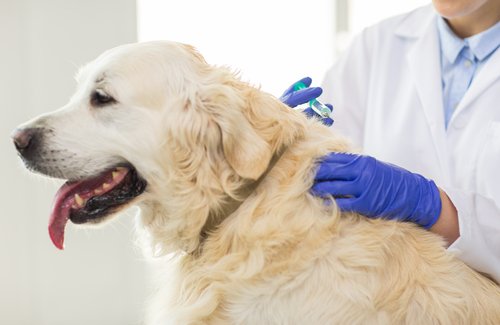
- Routine wellness exams
- Staying up to date on vaccinations
- Early detection screenings
- Parasite prevention
- Consistent diet and nutrition
- Paying attention to behavior changes
Preventive care is one of the best ways to keep your dog healthy long-term.
F.A.Q
How do I know if my dog is sick?
Look for changes in appetite, behavior, energy, mobility, or bathroom habits that last more than 24 hours.
How long should I wait before calling a vet?
If symptoms don’t improve within 24 hours or get worse, it’s best to call.
Is vomiting always serious in dogs?
Not always. But repeated vomiting, blood, or other symptoms like lethargy should be evaluated.
Are behavior changes a sign of illness?
Yes. Many dogs show illness through changes in mood, activity, or social behavior.

Related Veterinary Services
Explore all pet health concerns or learn more about services that help us evaluate and protect your dog:
Request an appointment if you are concerned about your dog.