
Dog Diarrhea
If your dog has diarrhea, you’re not alone in wondering whether it’s a wait-and-see situation or something that needs a vet. Sometimes it clears up on its own. Other times it’s a sign of something that needs real attention.
This guide covers the most common causes of dog diarrhea, what symptoms should put you on high alert, and when to contact a veterinarian in Lakeville, MN.
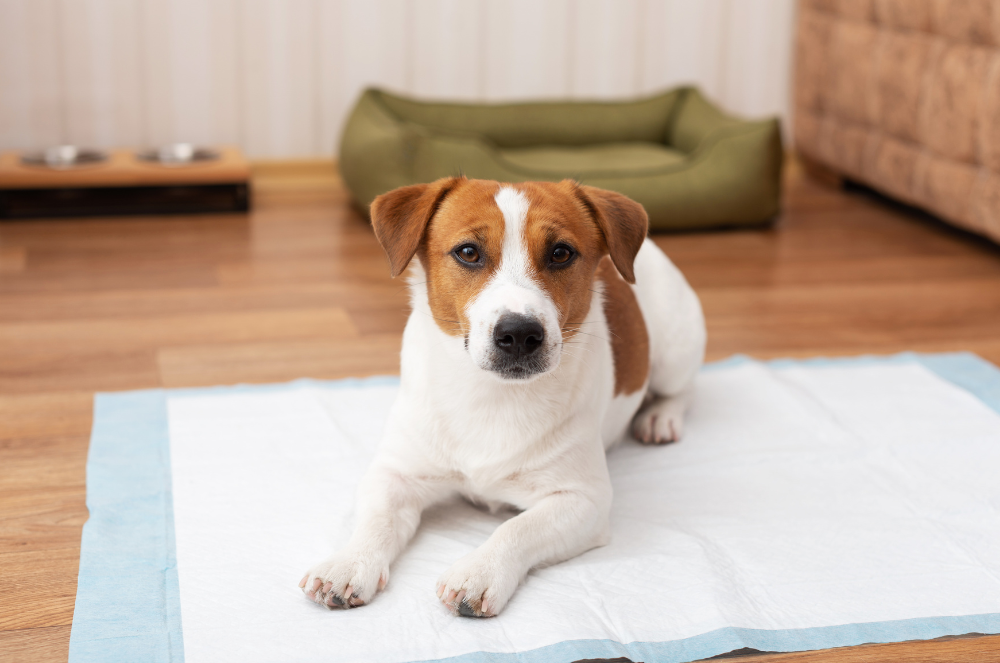
What Causes Diarrhea in Dogs?

Diarrhea in dogs can stem from a lot of different things, from a simple dietary misstep to a more serious underlying condition.
Common causes include:
- Sudden diet changes
- Eating garbage, spoiled food, or something they shouldn’t have
- Food intolerances or allergies
- Intestinal parasites (worms, giardia)
- Viral or bacterial infections
- Stress or anxiety
- Medications, especially antibiotics
- Inflammatory bowel disease
- Pancreatitis
- Kidney or liver disease
A single loose stool after a rich meal isn’t unusual. But when it keeps happening, or comes with other symptoms, it’s time to dig deeper.
Don’t Just Take Our Word For It

When Is Dog Diarrhea an Emergency?
Some situations can’t wait. Call us immediately if your dog has:
- Diarrhea with blood (red or dark/tarry stool)
- Vomiting at the same time
- Lethargy or weakness
- Signs of dehydration (dry gums, sunken eyes, skin that doesn’t bounce back when pinched)
- Abdominal pain or bloating
- Diarrhea that’s lasted more than 24 to 48 hours
- Known or suspected toxin ingestion
- A puppy, senior dog, or dog with an existing health condition
These symptoms need immediate evaluation. Don’t wait to see if it gets better on its own.
Dog Diarrhea but Acting Normal
This is one of the most common things owners search for, and it makes sense. Your dog is running around like everything is fine, but there’s definitely something wrong in the backyard.
If your dog has loose stool but:
- Is eating and drinking normally
- Has normal energy levels
- Shows no signs of pain or distress
- Vomited once at most
You can monitor at home for 12 to 24 hours. Withhold food briefly and reintroduce with a bland diet (plain boiled chicken and white rice is a go-to). If things haven’t improved within 24 to 48 hours, call us.
Types of Dog Diarrhea and What They Might Mean
Not all diarrhea looks the same, and the details actually matter.
- Watery diarrhea – often points to small intestinal issues or infection
- Soft, frequent stool with mucus – may suggest large bowel irritation or colitis
- Bloody diarrhea – requires prompt veterinary evaluation, no exceptions
- Yellow or orange stool – can indicate food passing too quickly or liver/gallbladder involvement
- Greasy, foul-smelling stool – may point to malabsorption or pancreatic issues
Paying attention to color, consistency, and frequency helps your vet narrow things down faster.
Why Families Choose Us
Family-Centered Care
Award-Winning Team
Independently Owned
How We Diagnose Diarrhea in Dogs
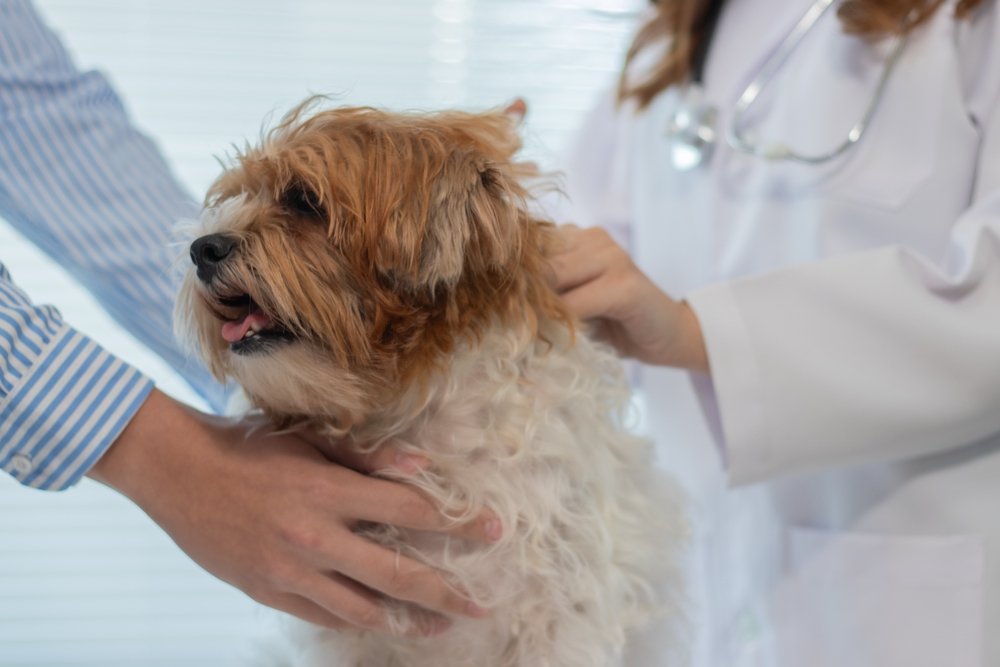
At Lakeville Family Pet Clinic, figuring out what’s actually going on is the first priority. Depending on your dog’s symptoms and history, evaluation may include:
- Physical examination
- Fecal testing (to check for parasites and bacteria)
- Bloodwork
- X-rays or ultrasound
- Dietary history review
- Fluid assessment if dehydration is a concern
The goal is to find the root cause, not just treat the symptom.
Treatment Options for Dog Diarrhea
Treatment really depends on what’s causing it. Options may include:
- Bland diet protocol
- Probiotics to restore gut health
- Anti-diarrheal or anti-nausea medication
- Deworming or antiparasitic treatment
- Antibiotics if bacterial infection is confirmed
- Fluid therapy for dehydration
- Dietary management for food sensitivities
- Hospitalization in severe or prolonged cases
Most cases resolve quickly with the right treatment. Waiting too long is usually what turns a manageable problem into a bigger one.
F.A.Q
Why does my dog have diarrhea but seems fine otherwise?
Mild diarrhea without other symptoms is often caused by a dietary indiscretion or minor GI irritation. Monitor for 24 hours with a bland diet. If it continues or gets worse, call your vet.
Should I feed my dog when they have diarrhea?
Withhold food for a few hours, then offer small amounts of bland food like boiled chicken and plain white rice. Avoid rich treats, table scraps, or a full normal meal until stool firms up. Always check with your vet before making changes.
Can stress cause diarrhea in dogs?
Yes. New environments, loud noises, boarding, or changes in routine can all trigger stress-related diarrhea. If it’s a recurring pattern, mention it at your dog’s next visit.
Is dog diarrhea contagious to other pets?
It can be, depending on the cause. Parasites and certain bacterial infections are transmissible between dogs. Keep affected pets separated and wash your hands thoroughly.

Preventing Future Episodes
You can’t prevent everything, but a few habits go a long way:
- Transition to new foods gradually over 7 to 10 days
- Keep garbage cans and outdoor hazards out of reach
- Stay current on parasite prevention
- Schedule routine wellness exams so issues get caught early
- Discuss your dog’s diet with your vet if GI problems keep coming back
Is Your Dog Dealing With Diarrhea?
Whether it started this morning or it’s been going on for a few days, our Lakeville veterinary team is here to help you figure out what’s going on.
Click here to request an appointment online or call (952) 595-6500.
The sooner you know the cause, the sooner your dog feels better.
Related Care and Pet Health Resources
Browse more dog health concerns or return to all pet health concerns.
Request an appointment if your pet needs veterinary care.