
Dog Ear Infection
Causes, warning signs, and when to reach out to a dog ear infection vet in Lakeville, MN.
If your dog is shaking their head, scratching at their ears, or you’ve noticed a smell, it’s hard not to worry. Ear infections are one of the most common reasons dogs come in for care – and they rarely clear up on their own without the right treatment.
Sometimes what looks like a simple itch is yeast or bacteria deep in the ear canal. Other times allergies or moisture after swimming keep the problem coming back. Knowing when to call matters, because untreated ear infections can become painful and harder to resolve.
This guide covers the most common reasons dogs get ear infections, what the warning signs are, and when to contact a veterinarian in Lakeville, MN.
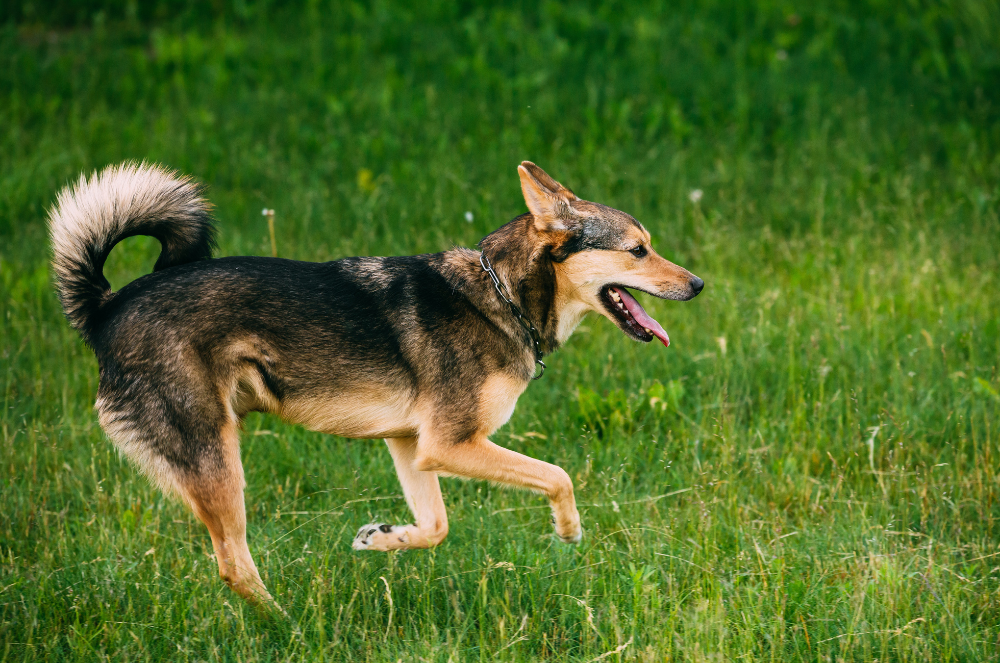
What Causes Ear Infections in Dogs?

An ear infection is inflammation of the ear canal, usually driven by yeast, bacteria, or both. Dogs with floppy ears, lots of ear hair, or allergies tend to be more prone.
Common causes and contributing factors include:
- Allergies (food or environmental)
- Moisture trapped after swimming or bathing
- Excess ear wax or hair in the canal
- Ear mites (more common in puppies)
- Foreign material (foxtails, dirt, plant awns)
- Narrow ear canals or floppy ear conformation
- Endocrine conditions that change skin and ear environment
- Prior incomplete treatment that left infection behind
Breed and lifestyle matter. A Labrador who swims often has a different risk profile than a small breed with chronic allergies.
Don’t Just Take Our Word For It

When Is a Dog Ear Infection an Emergency?
Most ear infections are painful but not immediately life-threatening. Still, some situations need same-day care. Call us promptly if your dog:
- Suddenly cannot hear or seems disoriented
- Has a head tilt, circling, or loss of balance
- Is in obvious severe pain when the ear is touched
- Has bleeding from the ear
- Has facial swelling or one eye that won’t blink normally
- Is lethargic, vomiting, or refusing to eat along with ear signs
- Has a wound, puncture, or foreign object visible in the ear
Balance changes and severe pain can mean the infection has moved deeper or the eardrum is involved. Don’t wait those out.
What To Do When Your Dog Is Shaking Their Head but Seems Otherwise Fine
This is a common search – and it makes sense. Dogs often keep eating and playing while an ear infection builds. Head shaking, pawing at one ear, or a mild odor can be the only early clues.
Don’t use “they’re still acting normal” as proof it’s minor. Ear canals are sensitive, and infection can progress quickly once yeast or bacteria take hold. If head shaking or scratching lasts more than a day or two – or you notice redness, discharge, or smell – schedule an exam.
Avoid pouring over-the-counter drops into the ear before a vet looks. If the eardrum is damaged, the wrong product can make things worse.
Dog Ear Infection vs. Allergies
Many recurring ear infections are really an allergy story. Dogs with food or environmental allergies often get itchy skin and itchy ears. Treating the infection clears the flare – but if the underlying allergy isn’t managed, the ears keep coming back.
Patterns that suggest allergies in the mix:
- Ear infections that return every few months
- Itchy paws, belly, or face along with ear signs
- Seasonal flares
- History of “chronic ears” since young adulthood
If your dog is on their second or third ear infection, ask us about allergy workup and long-term prevention – not just another round of drops.
Why Families Choose Us
Family-Centered Care
Award-Winning Team
Independently Owned
Preventing Future Problems
Prevention strategies may include:
- Drying ears after swimming or baths (when recommended)
- Managing underlying allergies
- Following a vet-guided cleaning routine
- Staying current on wellness exams
- Avoiding cotton swabs deep in the canal
Our team can help you build a prevention plan that fits your dog’s ear type, lifestyle, and history.
How We Diagnose Ear Infections in Dogs
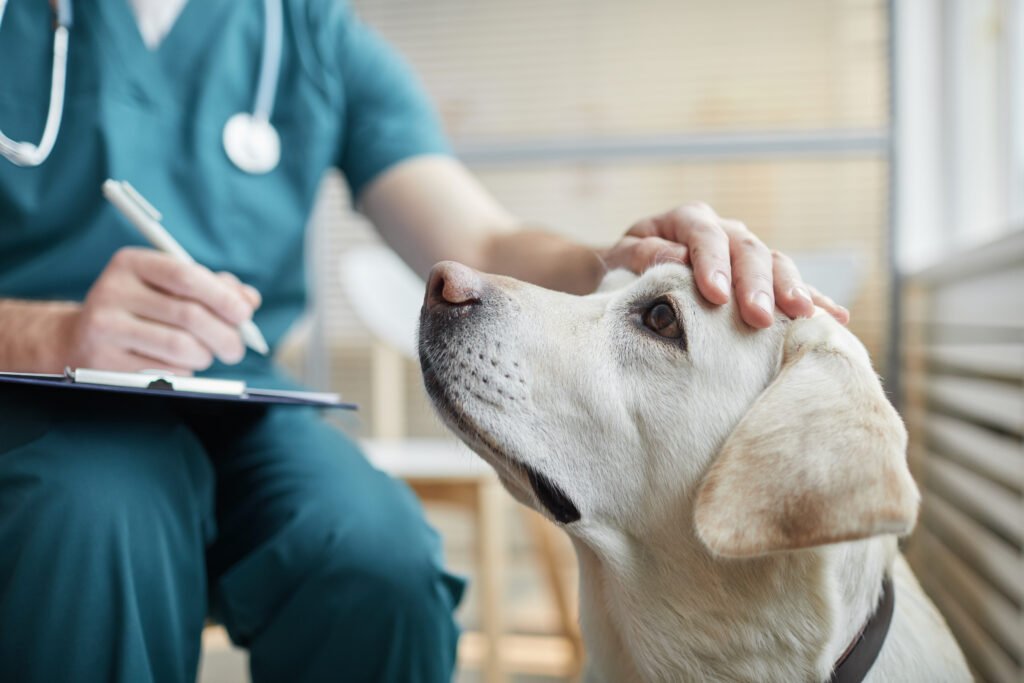
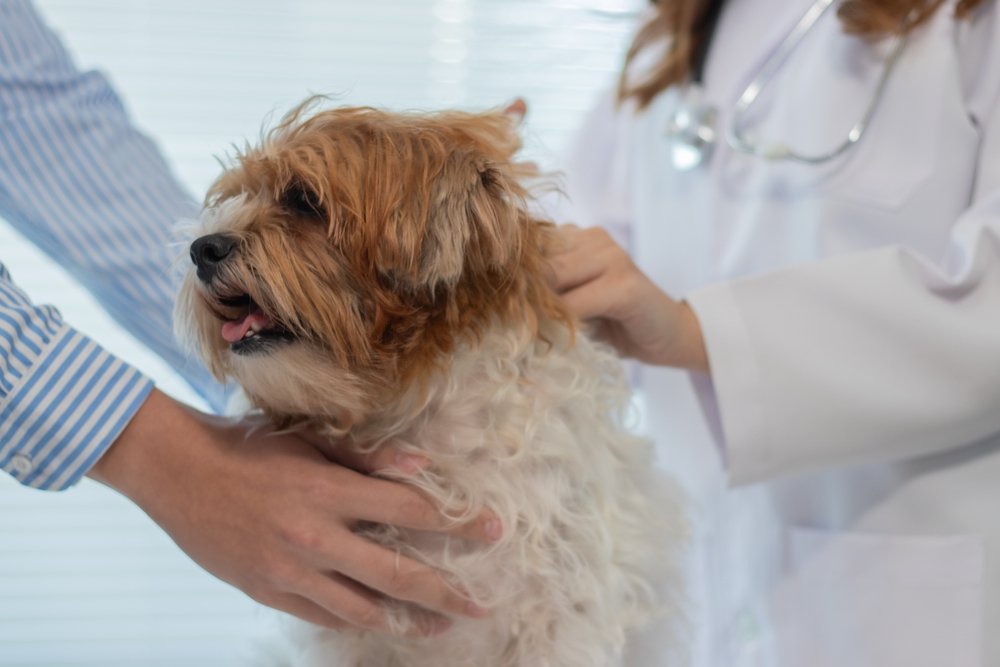
At Lakeville Family Pet Clinic, we don’t guess. Looking at the canal and checking what organisms are present helps us choose the right medication the first time. Evaluation may include:
- Full physical examination
- Otoscopic exam of the ear canal
- Ear cytology (looking at discharge under a microscope)
- Assessment of the eardrum when possible
- Allergy or skin history review
- Culture in stubborn or recurrent cases
- Imaging if a deeper middle-ear problem is suspected
We’ll take the time to find what’s actually going on rather than treat by guesswork.
Treatment Options for Dog Ear Infections
Treatment depends on what’s growing, how inflamed the canal is, and whether allergies or other drivers are involved.
Options may include:
- Professional ear cleaning
- Prescription topical ear medication
- Oral medication when the infection is severe or deeper
- Pain and itch relief
- Allergy management for recurrent cases
- Follow-up rechecks to confirm the infection is truly resolved
- Guidance on home cleaning only when it’s safe for your dog
Most dogs feel better within days once the right treatment starts – but finishing the full course and the recheck visit matters so the infection doesn’t rebound.
F.A.Q
Can I treat a dog ear infection at home?
Home remedies and leftover drops are risky without an exam. The wrong product – or treating when the eardrum is compromised – can delay healing or cause harm. Call us first.
Why does my dog keep getting ear infections?
Recurrent infections often point to allergies, moisture, anatomy, or incomplete prior treatment. We look for the driver so you’re not stuck in a cycle of temporary fixes.
Is a smelly dog ear always infected?
Odor is a strong clue, especially with discharge, redness, or head shaking. It’s worth an exam rather than waiting for it to get worse.
Should I clean my dog's ears regularly?
Some dogs benefit from routine cleaning; others do better with a hands-off approach between visits. We’ll show you what’s appropriate for your dog’s ear type and history.
How long does a dog ear infection take to clear?
Many uncomplicated infections improve within a week of correct treatment, but deeper or chronic cases take longer. A recheck confirms the canal is healthy before stopping medication.

Related Care and Pet Health Resources
Browse more dog health concerns or return to all pet health concerns.
Request an appointment if your pet needs veterinary care.