
Dog Allergies
Causes, warning signs, and when to reach out about dog allergies in Lakeville, MN.
An itchy dog can take over your household. Constant scratching, licking paws raw, rubbing their face on the carpet – it's miserable for them and exhausting for you. Allergies are one of the most common underlying reasons, and they don't usually resolve with a single bath or a diet swap alone.
Sometimes allergies look like “just dry skin.” Other times they show up as recurring ear infections, hot spots, or stomach upset. Sorting food allergies from environmental allergies (and from other skin diseases) is what turns endless symptom-chasing into a real plan.
This guide covers common dog allergy signs, what drives them, and when to contact a veterinarian in Lakeville, MN.
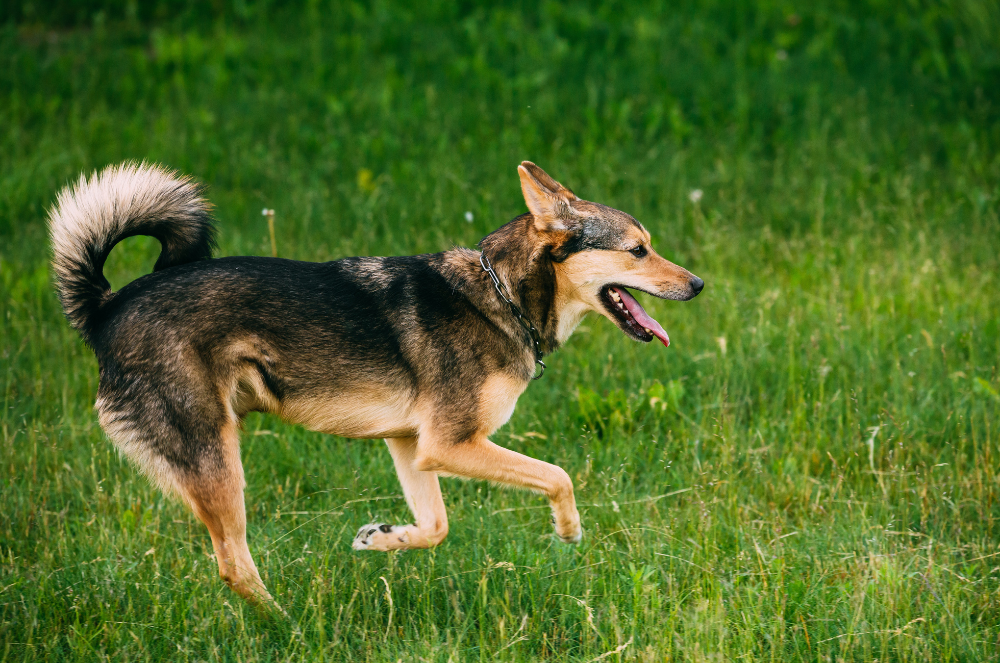
What Causes Allergies In Dogs?

“Dog allergies” usually means the immune system is overreacting to something in the environment or diet.
- Environmental allergies (atopy) – pollen, mold, dust mites, grasses
- Flea allergy dermatitis – an intense reaction to flea saliva
- Food allergies or sensitivities – often proteins such as chicken, beef, or dairy
- Contact irritants – shampoos, cleaning products, grasses
- Secondary yeast or bacterial skin infections that amplify itch
Age of onset and seasonality help narrow things down. Year-round itch points in a different direction than a spring-only flare.
Don’t Just Take Our Word For It

When Are Dog Allergies An Emergency?
Most allergy flares are urgent for comfort, not immediately life-threatening. Call same-day or seek emergency care if your dog:
- Has facial swelling, hives, or difficulty breathing
- Is frantically itching to the point of self-trauma or open wounds
- Has a hot, painful, rapidly spreading skin infection
- Is lethargic, not eating, or vomiting along with a severe skin flare
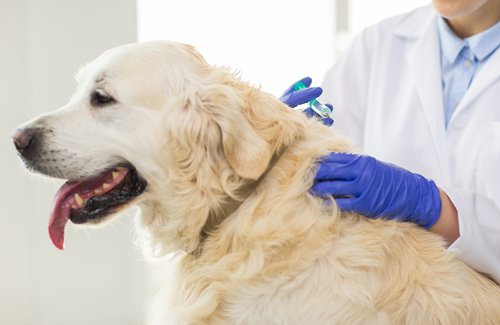
- Collapsed after a vaccine, medication, or insect sting
Facial swelling and breathing changes are emergencies.
What To Do When Your Dog Is Itchy But Otherwise Acting Normal
Dogs with allergies often keep eating, playing, and wagging – while quietly destroying their skin overnight. “Acting normal” doesn't mean the itch is minor.
If your dog has been scratching, licking paws, scooting, or shaking their head for more than a few days – or if the skin looks red, greasy, or scabby – schedule an exam. Early treatment protects the skin barrier and can reduce the need for stronger medications later.
Avoid starting random over-the-counter allergy pills, essential oils, or frequent medicated baths without guidance.

Dog Allergies Vs. Fleas, Food, And Seasonal Itch
We use history, exam findings, parasite control review, and sometimes diet trials or further testing to sort this out.
- Seasonal itch (worse outdoors in spring/summer/fall) → often environmental
- Year-round itch + ear and paw focus → environment, food, or both
- Intense itch with only a few fleas seen → flea allergy until proven otherwise
- Itch plus chronic GI signs → food may be involved
- Recurring ear infections with itchy skin → allergy is high on the list
Why Families Choose Us
Family-Centered Care
Award-Winning Team
Independently Owned
Preventing Future Problems
Helpful habits include:
- Year-round flea prevention
- Keeping up with prescribed itch-control plans before flares peak
- Wiping paws after pollen-heavy walks when recommended
- Avoiding frequent shampoo switching
- Routine wellness visits
—
How We Diagnose Dog Allergies
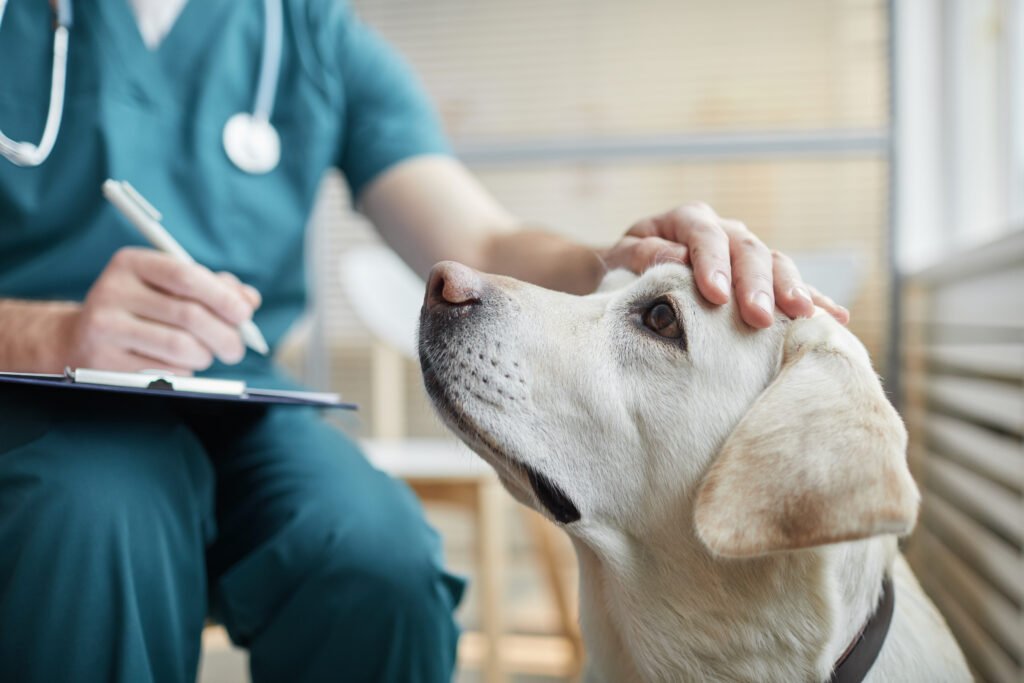
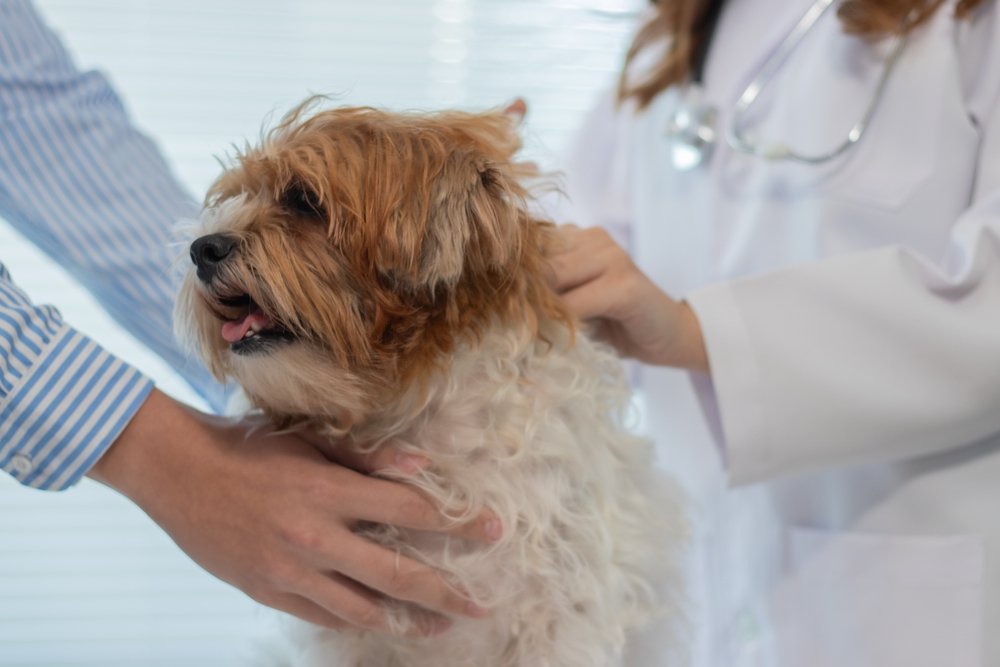
At Lakeville Family Pet Clinic, we start by ruling out look-alikes and identifying secondary infection. Evaluation may include:
- Full physical and dermatologic exam
- Skin and/or ear cytology
- Flea and parasite prevention review
- Discussion of diet history and possible elimination diet trial
- Bloodwork if systemic illness is suspected
- Referral for advanced allergy testing when appropriate
Treatment Options For Dog Allergies
Treatment is usually layered: calm the flare, treat infection, then build a long-term plan.
- Prescription itch-relief medications
- Antibiotics or antifungals for secondary infections
- Medicated shampoos or topical therapy
- Strict flea prevention
- Veterinary diet trials for suspected food allergy
- Ear treatment when ears are involved
- Environmental management tips for seasonal flares
- Ongoing rechecks as seasons change
Most allergic dogs do well with the right combination – comfortable skin and fewer emergency itch spirals.

F.A.Q
How do I know if my dog has allergies or just dry skin?
Persistent scratching, paw licking, recurrent ear infections, or red/greasy skin usually deserve a vet exam rather than more moisturizer.
Can dog food allergies develop suddenly?
Yes. Dogs can become sensitive to a protein they've eaten for years. A structured diet trial is the most reliable way to investigate food allergy.
Do grain-free diets fix dog allergies?
Not usually. Most food allergies are to proteins, not grains. Switch diets only with veterinary guidance.
Are dog allergies the same as human hay fever?
Similar idea, different typical signs. Dogs more often show skin and ear disease than sneezing alone.
Will my dog need allergy medication forever?
Some dogs need seasonal support; others need year-round plans. We tailor frequency and medication type to your dog's pattern.

Related Care and Pet Health Resources
Browse more dog health concerns or return to all pet health concerns.
Request an appointment if your pet needs veterinary care.