
Cat Diarrhea
Causes, warning signs, and when to call about cat diarrhea in Lakeville, MN.
Diarrhea in cats ranges from a one-time soft stool after a diet change to a sign of infection, parasites, inflammatory disease, or something more serious. Because cats hide illness well, litter-box changes are often the first clear clue something is off.
If diarrhea comes with vomiting, lethargy, or appetite loss, the timeline gets shorter. Cats can dehydrate quickly, and waiting it out is riskier than it is for many dogs.
This guide covers common causes, when you can monitor briefly, and when to contact a veterinarian in Lakeville, MN.
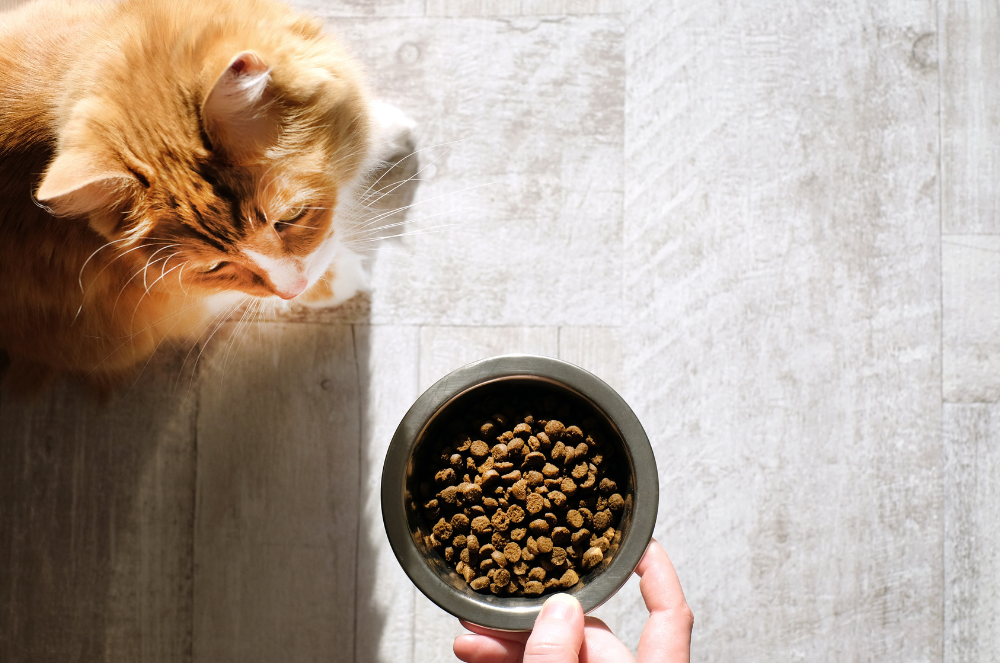
What Causes Diarrhea In Cats?
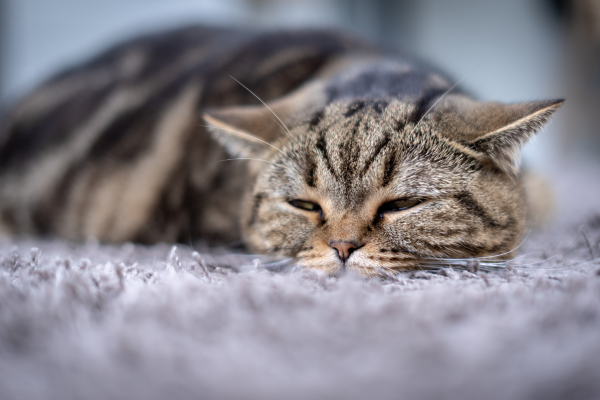
- Sudden diet change or dietary indiscretion
- Food intolerance or allergy
- Parasites
- Viral or bacterial infections
- Antibiotics or other medications
- Inflammatory bowel disease
- Pancreatitis
- Hyperthyroidism
- Kidney or liver disease
- Stress (boarding, new pets, moves)
- Toxins
Don’t Just Take Our Word For It
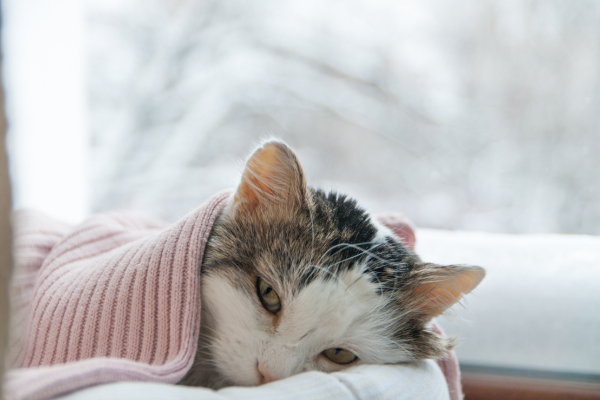
When Is Cat Diarrhea An Emergency?
- Bloody diarrhea or black tarry stool
- Diarrhea with repeated vomiting
- Lethargy, weakness, or collapse
- Refusal to eat (especially beyond 24 hours)
- Signs of pain or a painful belly
- Known toxin exposure
- Diarrhea in a kitten
- Diarrhea lasting more than 24-48 hours
What To Do When Your Cat Has Mild Diarrhea But Seems Fine
If your adult cat had a single soft stool, is eating, drinking, energetic, and otherwise normal, you may monitor briefly while you call us for guidance.
Do not fast a cat for long periods, give human anti-diarrheal medications, or switch through multiple new foods in one day. If a second day brings more diarrhea – or any other symptom appears – schedule an exam.
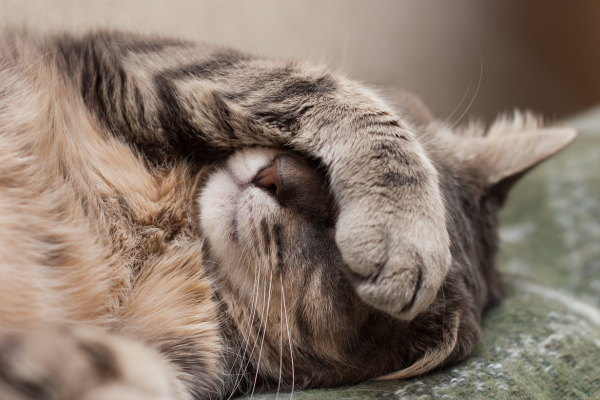
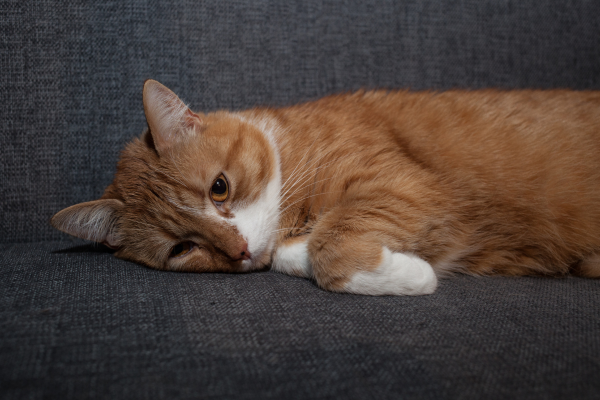
Cat Diarrhea With Vomiting Or Not Eating
Diarrhea plus vomiting or appetite loss raises concern for pancreatitis, obstruction, systemic infection, or other internal disease. This combination should not be watched for days at home.
- Cat Vomiting → /concerns/cats/cat-vomiting/
- Cat Not Eating → /concerns/cats/cat-not-eating/
Why Families Choose Us
Family-Centered Care
Award-Winning Team
Independently Owned
How We Diagnose Diarrhea In Cats
Evaluation may include:
- Physical examination
- Fecal testing for parasites
- Bloodwork
- Diet and medication history review
- Imaging (X-rays/ultrasound) when obstruction or organ disease is suspected
- Further GI workup for chronic cases
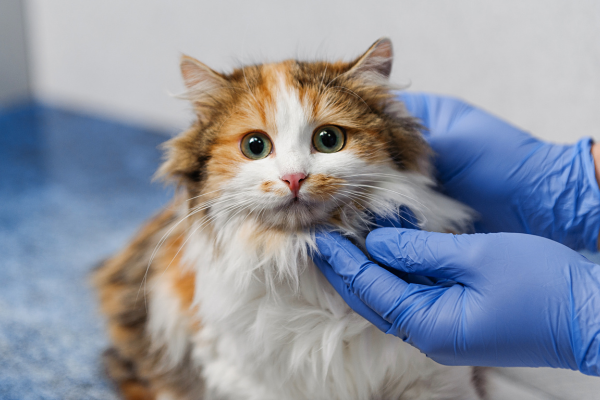
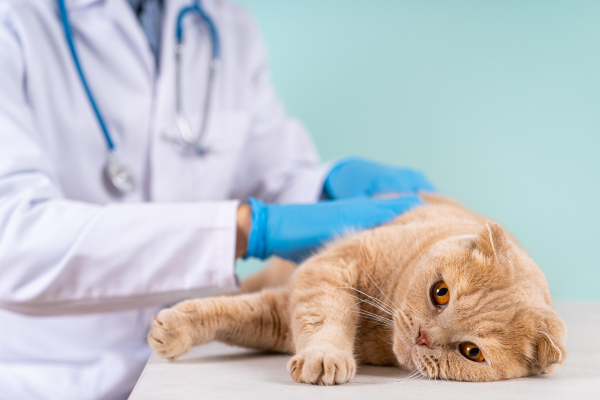
Treatment Options For Cat Diarrhea
Treatment depends on the cause and may include:
- Fluids for dehydration
- Anti-nausea medication when needed
- Parasite treatment
- Diet modification or veterinary GI diets
- Probiotics when appropriate
- Medications for inflammatory disease
- Hospitalization for severe cases
- Management of underlying endocrine or organ disease
- Gradual diet changes
- Year-round parasite prevention
- Keeping toxins and people-food out of reach
- Stress reduction around litter boxes and territory
- Routine wellness exams
Prevention strategies may include:
Prevention strategies may include:
—
F.A.Q
How long can a cat have diarrhea before seeing a vet?
If it lasts more than 24-48 hours, or sooner with other symptoms, call. Kittens need faster care.
Should I withhold food if my cat has diarrhea?
Cats should not be fasted the way dogs sometimes are. Ask us before changing feeding.
Can stress cause diarrhea in cats?
Yes. Boarding, new animals, and household changes are common triggers – but we still rule out medical causes.
Is soft stool the same as diarrhea?
Soft, unformed stool still counts as a GI change worth tracking, especially if it persists.
Could hairballs cause diarrhea?
Hair can contribute to GI upset, but ongoing diarrhea needs a broader look.

Related Care and Pet Health Resources
Browse more cat health concerns or return to all pet health concerns.
Request an appointment if your pet needs veterinary care.