
Cat Health Concerns
Signs Your Cat May Be Sick & When to Call a Vet
Cats are great at hiding illness, which makes it harder to know when something’s wrong. If your cat isn’t eating, is vomiting, avoiding the litter box, or acting differently, this guide will help you understand what’s normal, what’s not, and when it’s time to call your veterinarian.
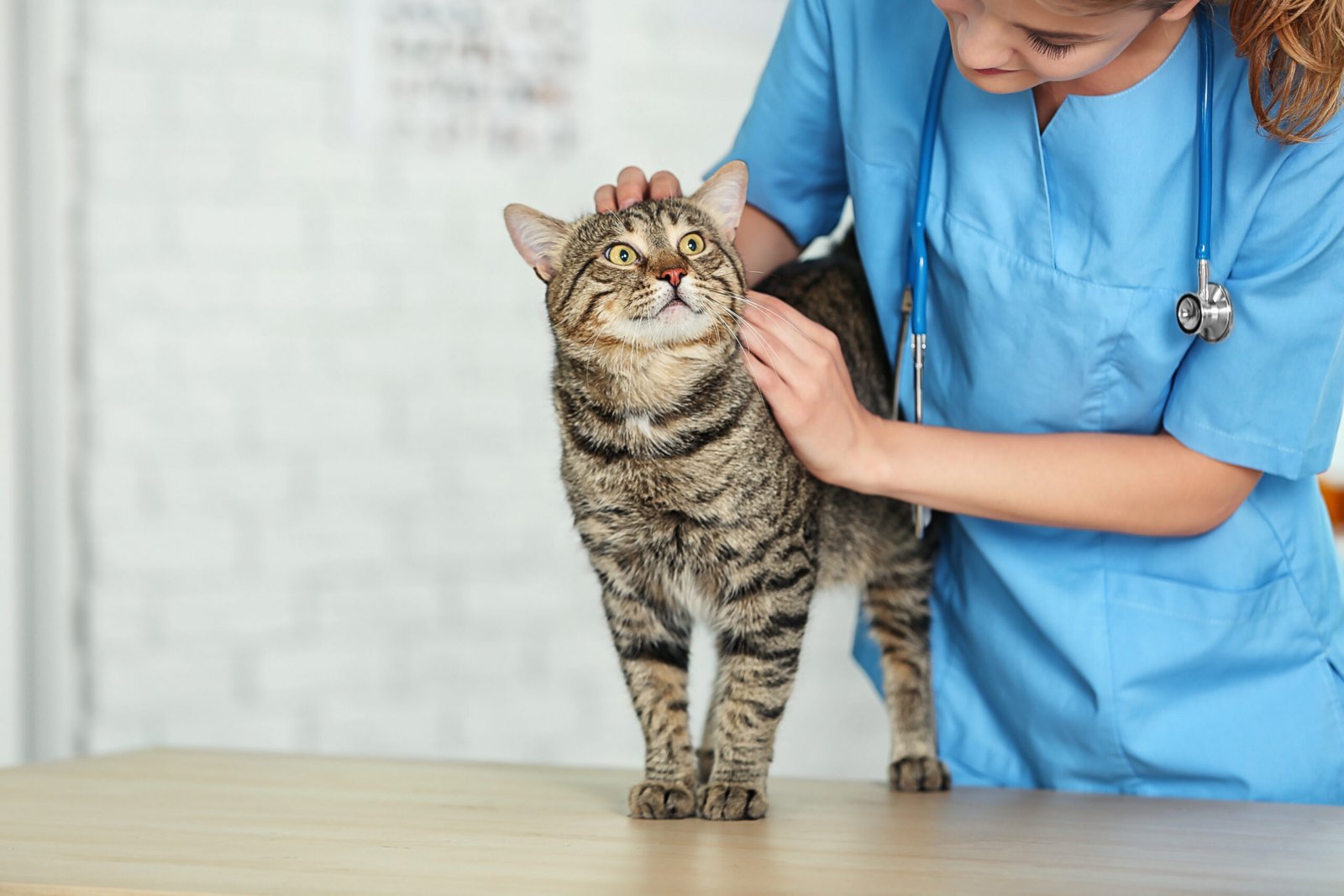
How to Tell If Your Cat May Be Sick

Cats don’t always show obvious symptoms. In fact, many cats continue acting “normal” until an issue becomes more serious.
That’s why small changes matter.
Watch for:
- Not eating or reduced appetite
- Vomiting or diarrhea
- Hiding more than usual
- Low energy or lethargy
- Changes in litter box habits
- Increased vocalization or unusual behavior
- Weight loss or changes in appearance
If your cat is acting differently, there’s usually a reason. Trust your gut.
If symptoms last more than 24 hours, or if your cat stops eating entirely, it’s important to schedule an exam.
When the Situation Become a Cat Health Emergency?
Some symptoms in cats can become serious quickly, especially because they tend to hide illness.
Call immediately if your cat has:
- Trouble breathing
- Seizures
- Collapse or extreme weakness
- Vomiting blood
- Straining to urinate or unable to urinate
- Pale gums
- Suspected poisoning
If you’re unsure, it’s always better to call and ask. Waiting too long can make treatment more complicated.
Common Cat Health Concerns
Below are some of the most common reasons cat owners reach out.
Each one links to a deeper page so you can understand what’s going on and what to do next.
Cat Not Eating
Cats that stop eating for even 24 hours can be at risk for serious complications. Loss of appetite may be caused by dental issues, illness, stress, or underlying disease.
Cat Vomiting
Occasional hairballs may be normal, but repeated vomiting, blood, appetite loss, or low energy should be evaluated.
Cat Loss of Appetite
Cats can develop serious complications when they stop eating. Appetite loss lasting 24 hours deserves a call to your veterinarian.
Cat Scratching
Frequent scratching, licking, redness, or hair loss can point to allergies, parasites, infection, or another skin condition.
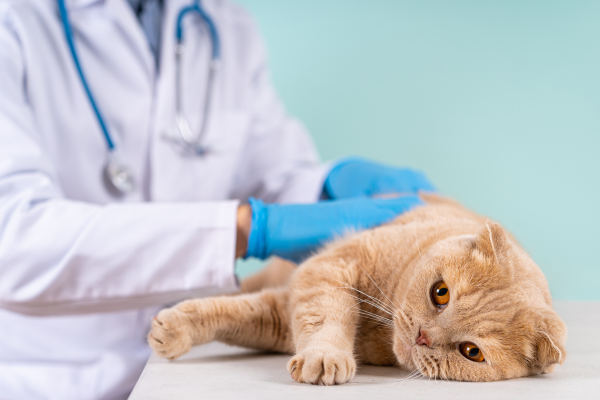
How We Evaluate Sick Cats
When your cat isn’t feeling well, we focus on keeping the experience calm while getting clear answers.
Depending on symptoms, we may recommend:
- A full physical exam
- Diagnostic testing
- Bloodwork
- Imaging such as X-rays
We take time to explain what we’re seeing and what it means so you can make informed decisions about your cat’s care.
What Causes Health Issues in Cats?
Cat health concerns can come from many different sources, and the same symptom can have very different causes.
Some of the most common include:
- Dietary changes or sensitivities
- Stress or environmental changes
- Parasites
- Bacterial or viral infections
- Dental disease
- Age-related conditions
Because cats are so good at hiding discomfort, early evaluation is key.

Preventing Common Cat Health Issues
While not everything can be prevented, routine care and awareness go a long way.
Focus on:
- Regular wellness exams
- Preventative care and vaccinations
- Monitoring eating and litter box habits
- Consistent diet and routine
- Watching for subtle behavior changes
Catching issues early often leads to simpler, more effective treatment.
F.A.Q
How do I know if my cat is sick?
Look for changes in appetite, behavior, energy, or litter box habits that last more than 24 hours.
How long can a cat go without eating?
Cats should not go more than 24 hours without eating. If they do, it’s important to contact your veterinarian.
Is vomiting normal in cats?
Occasional hairballs can be normal, but frequent vomiting or other symptoms should be evaluated.
Are litter box changes serious?
Yes. Changes in litter box behavior can indicate urinary issues, which may require urgent care.

Related Veterinary Services
Explore all pet health concerns or learn more about services that help us evaluate and protect your cat:
Request an appointment if you are concerned about your cat.