
Limping in Cats: Causes, Warning Signs, and When to Call Your Veterinarian
Cats are good at hiding pain — which is exactly why a limping cat tends to get owners’ attention quickly. Lameness in cats can range from a minor soft-tissue issue to a fracture, joint disease, or something systemic that needs prompt attention.
If your cat in Lakeville, Apple Valley, Farmington, or the surrounding area is avoiding weight on a limb, this page will help you understand what you might be dealing with and when to call us.
Common Causes of Limping in Cats
Gait changes and reluctance to bear weight on a limb can stem from many different places in the musculoskeletal system — or from somewhere else entirely:
- Soft tissue injury — sprain, strain, or bruising from a fall or jump
- Fracture — from trauma, especially in outdoor or indoor/outdoor cats
- Paw injury — cut, foreign object, abscess, or overgrown or torn nail
- Bite wound abscess — common in cats who go outdoors or encounter other cats
- Arthritis — often subtle in early stages, more apparent in senior cats
- Joint disease — including hip dysplasia or elbow problems in some breeds
- Nail bed infection or tumor
- Nerve damage or neurological issue
- Bone cancer — rare but possible, especially in one limb without obvious injury
- Aortic thromboembolism (saddle thrombus) — a serious cardiac-related condition that causes sudden hind-limb paralysis, most common in cats with underlying heart disease

When to Seek Urgent Veterinary Care
Limping in cats always warrants close observation, but some presentations require immediate attention. Call your vet or seek emergency care if your cat:
- Suddenly can’t use one or both hind legs, especially with pain and cold limbs — this is a cardiac emergency
- Has an open wound, visible bone, or significant swelling
- Was hit by a car, fell from height, or had another traumatic injury
- Is crying out in pain or won’t allow you to touch the limb at all
- Stops eating or grooming in addition to limping
- Is pale, cold to the touch in the affected limb, or showing signs of shock
Sudden hind-limb paralysis in a cat — especially with pain and cold limbs — is a cardiac emergency. If your cat’s back legs stop working abruptly, get to a vet immediately.
Limping Without Other Symptoms
A mildly limping cat that is still eating, grooming, and behaving relatively normally may have a minor soft-tissue issue. You can monitor for 24 hours while keeping them calm and limiting jumping and stairs.
Check their paw carefully for anything embedded — a splinter, thorn, or swelling between the toes — and look for visible wounds or swelling anywhere on the limb. If the limp doesn’t improve within 24 hours, or if it gets worse at any point, schedule a vet visit. A “wait and see” approach should never extend beyond 48 hours for a limping cat, even one that seems otherwise fine.
Lameness in Cats by Location
Where your cat is avoiding weight can help point toward a cause before the exam even starts.
- Front leg lameness — often soft tissue injury, abscess, or paw issue in younger cats; arthritis more common in seniors
- Single hind leg lameness — trauma, abscess, or nerve issue is possible; rule out saddle thrombus if onset was sudden
- Both hind legs suddenly affected — aortic thromboembolism until proven otherwise; seek emergency care
- Paw-focused lameness — check between the toes for foreign material, wounds, or swelling; bite wound abscesses often start here
The history matters too — an indoor cat that doesn’t jump much is less likely to have a trauma injury than one who’s always on top of the refrigerator.
Why Families Choose Us
Family-Centered Care
Award-Winning Team
Independently Owned
Diagnosing Lameness in Cats at Lakeville Family Pet Clinic
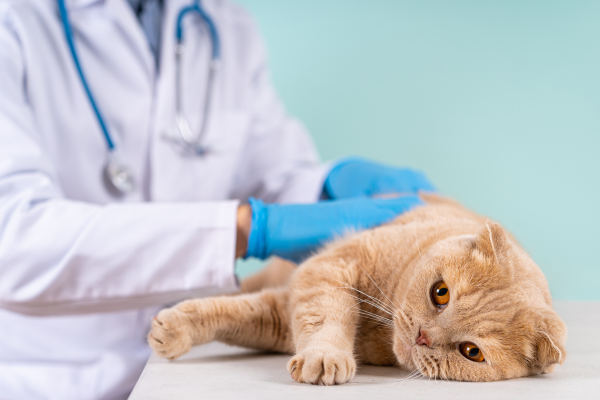
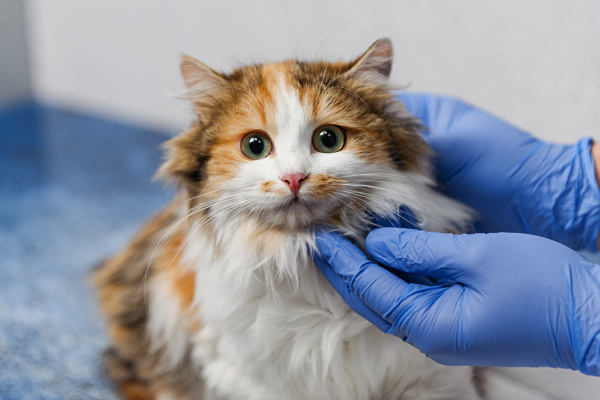
Our physical exam for a limping cat is methodical. We start by observing your cat’s movement, then palpate the affected limb from the paw up — checking each joint, the muscles, and the spine. We’re looking for pain response, swelling, heat, and range of motion.
- X-rays for fractures, joint disease, or bone abnormalities
- Bloodwork if a systemic cause is possible
- Wound assessment and culture if an abscess or infection is present
- Neurological evaluation if nerve involvement is suspected
Our diagnostic capabilities allow us to evaluate most presentations in a single visit, which means you get answers faster and your cat can get comfortable sooner.
How Veterinarians Treat Limping in Cats
Treatment depends on what we find:
- Rest and anti-inflammatory medication for minor soft-tissue injuries
- Wound cleaning and antibiotics for bite wounds or infected paws
- Splinting, casting, or surgical repair for fractures, depending on severity and location
- Pain management and joint support for arthritis
- Nail trimming or foreign body removal for paw issues
- Referral to a veterinary specialist for complex orthopedic or neurological cases
- Cardiac evaluation and management if aortic thromboembolism is suspected
F.A.Q
Should I wait to see if my cat's limp goes away on its own?
For a mild limp with no other symptoms, 24 hours of home monitoring is reasonable — keep your cat calm, check for paw injuries, and limit jumping and stair access. If the limp isn’t improving by then, call your vet. Don’t wait longer than 48 hours even if your cat seems otherwise fine.
Can cats get arthritis?
Yes, and it’s more common than most owners realize — especially in older cats. Feline arthritis is often subtle: reduced jumping, stiffness after rest, reluctance to use the litter box if it has high sides. Many arthritic cats aren’t overtly limping, but they are uncomfortable. Regular wellness exams help catch it.
My cat went outside and came back limping. What should I check first?
Start with the paw: look between the toes for cuts, foreign objects, swelling, or signs of a wound that could be infected. Check the nails for tears or damage. If you find a small puncture wound that could be a bite — especially one that’s starting to swell or drain — that’s an abscess developing. Call your vet.
What is a saddle thrombus in cats, and is it an emergency?
A saddle thrombus (aortic thromboembolism) occurs when a blood clot lodges at the base of the aorta, cutting off circulation to the hind limbs. It causes sudden, painful paralysis or weakness in one or both back legs, often with cold limbs and significant distress. It’s most common in cats with underlying heart disease and is a veterinary emergency — get to a clinic immediately if this is what you’re seeing.

Don’t Just Take Our Word For It
Reducing the Risk of Future Lameness
Some causes of limping are unavoidable, but a few habits help reduce risk:
- Keep cats indoors when possible — this dramatically reduces the risk of trauma and bite wound infections
- For senior cats, regular wellness exams allow us to monitor joint health and catch early arthritis before it becomes significantly painful
- Maintain a healthy weight — obesity increases stress on joints and accelerates arthritis progression
- Keep nails trimmed to prevent snags and nail-related injuries
Is Your Cat Limping or Avoiding Weight on a Leg?
Whether it started this morning or you’ve noticed a gradual change in how your cat moves, our Lakeville team can help figure out what’s going on.
Click here to request an appointment online or call (952) 595-6500.

Related Care and Pet Health Resources
Browse more cat health concerns or return to all pet health concerns.
Request an appointment if your pet needs veterinary care.