
Cat Not Eating: Causes, Warning Signs, and When to Call Your Veterinarian
Cats are creatures of habit, and when they stop eating, most owners notice right away. Loss of appetite in cats is something we take seriously here at Lakeville Family Pet Clinic – not just because it’s distressing to watch, but because cats can develop a serious liver condition called hepatic lipidosis when they go without food for more than two to three days.
This page covers what typically causes appetite loss in cats, when to act quickly, and how we approach the diagnosis for patients across Lakeville, Farmington, Rosemount, Apple Valley, and the wider Dakota County area.
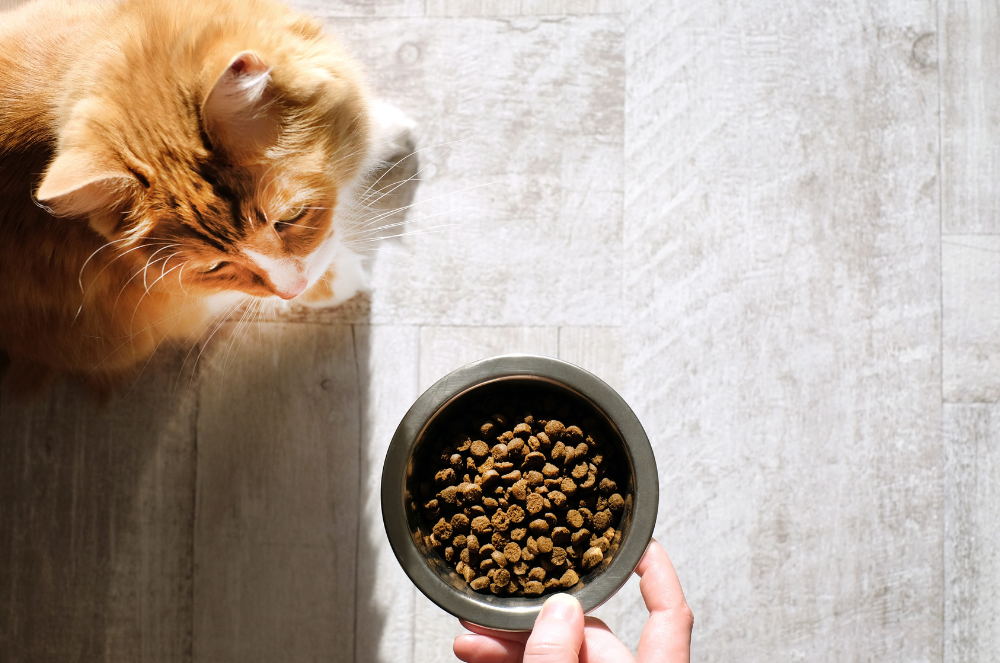
Common Causes of Appetite Loss in Cats
Reduced or absent appetite in cats can point to a wide range of underlying issues:
- Respiratory infection or upper respiratory disease – a stuffy nose means they can’t smell food
- Dental pain, tooth resorption, or oral disease
- Nausea from gastrointestinal illness, pancreatitis, or kidney disease
- Liver disease or hepatic lipidosis
- Chronic kidney disease – extremely common in middle-aged and older cats
- Cancer
- Stress from environmental change, a new pet, or a new household member
- A reaction to a medication or a new food
- Pain from injury or infection elsewhere in the body
The reason it’s important to act sooner in cats than in dogs is that hepatic lipidosis can develop within 48 to 72 hours of a cat not eating – especially in overweight cats – and it’s a serious, potentially life-threatening condition.
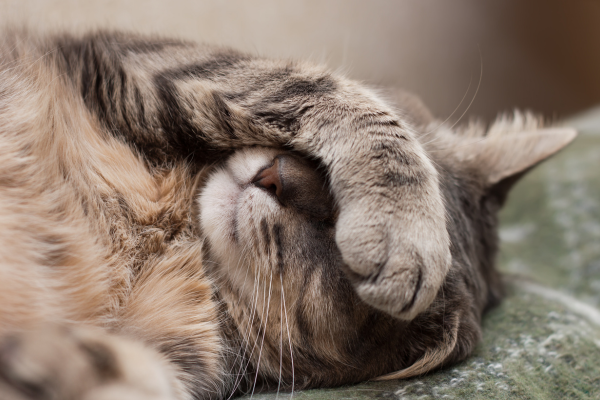
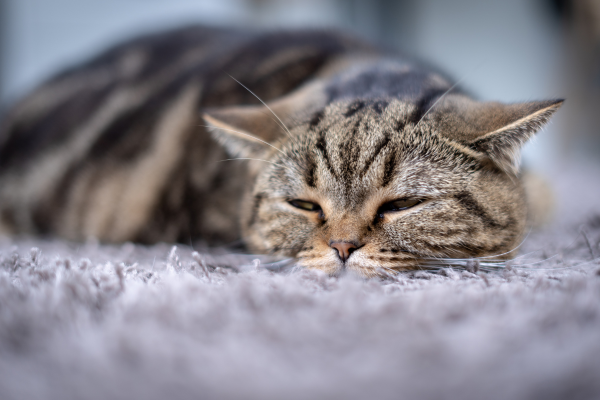
When to Seek Urgent Veterinary Care
If your cat has stopped eating, the timeline matters. Reach out to your vet promptly if:
- Your cat hasn’t eaten anything in 24 to 48 hours
- They’re also vomiting, lethargic, or have stopped grooming
- You notice yellow-tinged skin, gums, or eyes (jaundice – a sign of liver involvement)
- Your cat is drooling, pawing at their mouth, or has bad breath
- They appear to be in pain or are hiding more than usual
- You suspect they ate something toxic
Don’t wait on a cat that’s not eating. Call us at (952) 595-6500 and we’ll help you determine how urgently they need to be seen.
Why Families Choose Us
Family-Centered Care
Award-Winning Team
Independently Owned
How We Evaluate Appetite Loss in Cats
We start with a thorough physical exam, which includes the oral cavity, lymph nodes, abdomen, and body condition score. For a cat that isn’t eating, bloodwork is almost always the next step – a full panel gives us a look at kidney and liver function, red and white blood cell counts, blood glucose, and thyroid levels.
Depending on what that shows, we may follow up with urinalysis, X-rays, or abdominal ultrasound. Our in-house diagnostics let us get results quickly, which is important when time is a factor.
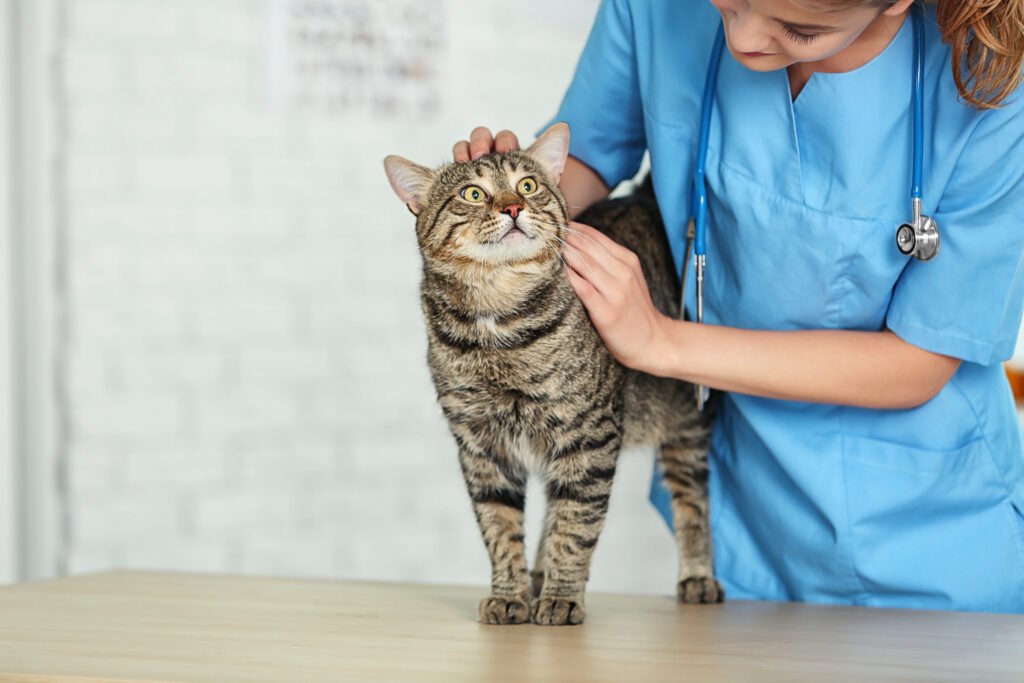
Treatment Options
Treatment depends on the underlying cause, but may include:
- Appetite stimulants to get a cat eating while we treat the root cause
- Fluid support for dehydration
- Anti-nausea medications
- Antibiotics for respiratory or other infections
- Dental treatment if oral pain is driving the issue
- Dietary modification
- Hospitalization and nutritional support (including a feeding tube in serious cases)
- Management plan for chronic conditions like kidney disease or hyperthyroidism
The earlier we catch it, the more options we have.
F.A.Q
How long can a cat go without eating before it becomes dangerous?
Most vets recommend calling your vet within 24 hours if your cat hasn’t eaten. After 48 to 72 hours without food, cats – especially overweight cats – are at significant risk for hepatic lipidosis, which can become life-threatening quickly.
My cat seems fine but just stopped eating - should I be worried?
Yes, even without other symptoms. A cat that looks “fine” but hasn’t eaten in more than a day warrants a call to your vet. Cats are good at hiding discomfort.
Can stress cause a cat to stop eating?
Absolutely. Environmental stress – a new baby, a new pet, a move, even rearranged furniture – can suppress appetite in cats significantly.
What can I do at home to encourage my cat to eat?
Try warming wet food slightly, offering strong-smelling options like tuna-based food, or hand-feeding a small amount. But if your cat still won’t eat after 24 hours, call your vet.
Is it true that cats lose their appetite when they can't smell?
Yes. Cats rely heavily on smell to assess food. A cat with nasal congestion from an upper respiratory infection will often refuse food entirely. Treatment of the underlying infection is usually needed.

Don’t Just Take Our Word For It
Ready to Make an Appointment?
Click here to request an appointment online or call (952) 595-6500. We serve Lakeville, Apple Valley, Farmington, Rosemount, Burnsville, Eagan, Prior Lake, and surrounding communities.

Related Care and Pet Health Resources
Browse more cat health concerns or return to all pet health concerns.
Request an appointment if your pet needs veterinary care.