
Cat Scratching and Skin Issues: Causes, Warning Signs, and When to See a Veterinarian
A cat that scratches occasionally isn’t unusual. A cat that can’t stop – or one with hair loss, scabs, redness, or raw skin – is telling you something. Skin issues in cats are one of the more common reasons we see patients here at Lakeville Family Pet Clinic, serving Lakeville, Farmington, Rosemount, Apple Valley, and the rest of Dakota County.
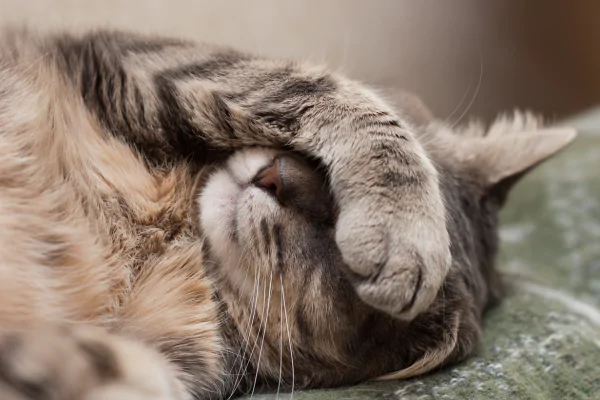
Common Causes of Scratching and Skin Irritation in Cats
Pruritus – the clinical term for itchiness – in cats can stem from a wide range of causes:
- Fleas or flea allergy dermatitis – even one flea bite can trigger an intense reaction in sensitive cats
- Environmental allergies – dust, mold, pollen, or cleaning products
- Food allergies or dietary sensitivities
- Ear mites or other external parasites
- Ringworm (fungal infection, despite the name)
- Bacterial or yeast skin infections
- Dry skin, especially in winter or in low-humidity environments
- Stress-related overgrooming (psychogenic alopecia)
- Hyperthyroidism or other hormonal imbalances
- Contact dermatitis from bedding, litter, or household products

When to Seek Urgent Veterinary Care
Most skin issues in cats aren’t emergencies, but some situations warrant a prompt appointment. Bring your cat in sooner rather than later if you notice:
- Open wounds, bleeding, or severely broken skin from scratching
- Rapid hair loss in a specific area
- Skin that looks infected – hot, swollen, oozing, or foul-smelling
- Signs of significant pain or distress when touched
- Scratching intense enough that your cat can’t sleep or eat normally
- Any skin lesion you can’t explain or that’s changing in size
Why Families Choose Us
Family-Centered Care
Award-Winning Team
Independently Owned
Diagnosing Skin Conditions at Lakeville Family Pet Clinic
Skin issues require a methodical approach. After a full physical exam, we may recommend:
- Skin cytology to check for infection (bacteria or yeast)
- Skin scraping to look for mites
- Fungal culture if ringworm is suspected
- Bloodwork to rule out systemic conditions like hyperthyroidism
- Food elimination trial if a dietary allergy is possible
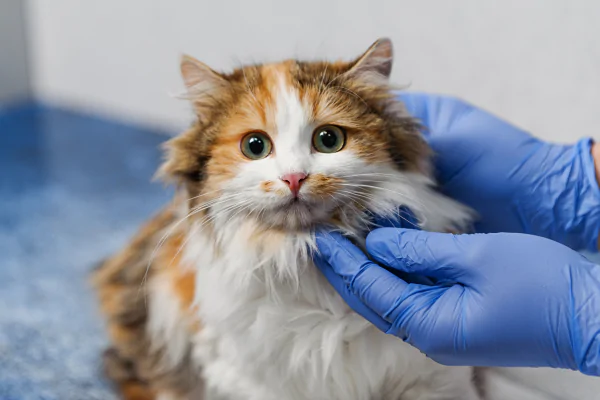
Treatment Options
What we recommend depends on what we find. Treatment may include:
- Antiparasitic medications for fleas, mites, or other parasites
- Antifungal therapy for ringworm
- Antibiotics or antifungal medications for secondary skin infections
- Prescription shampoos or topical treatments
- Dietary change or a hydrolyzed protein diet for food allergies
- Environmental modification advice for allergen reduction
- Anti-itch or anti-inflammatory medications for symptom relief
- Behavioral support for stress-related grooming
F.A.Q
Why does my cat scratch so much but I don't see any fleas?
Flea allergy dermatitis is one of the most common causes of itching in cats, and because cats are such efficient groomers, you often won’t find fleas on them – even when they’re the problem.
Can cats have allergies like people do?
Yes. Cats can develop allergies to environmental triggers (dust mites, mold, pollen) or to proteins in their food.
Is my cat's excessive grooming a medical or behavioral issue?
It can be either – or both. A medical cause needs to be ruled out first before concluding the issue is behavioral.
Should I give my cat a bath to help with itching?
Usually not without guidance from your vet. Some cats are sensitive to standard shampoos, and bathing can sometimes worsen dryness or irritation.
What's the difference between dry skin and a skin infection in cats?
Dry skin typically presents as flaking or dull coat without much inflammation. A skin infection usually involves redness, odor, crusting, or discharge.

Don’t Just Take Our Word For It
Ready to Come In?
Click here to request an appointment online or call (952) 595-6500. We serve Lakeville, Apple Valley, Farmington, Rosemount, Burnsville, Eagan, Prior Lake, and the surrounding area.

Related Care and Pet Health Resources
Browse more cat health concerns or return to all pet health concerns.
Request an appointment if your pet needs veterinary care.