
Cat Urinary Blockage
Causes, warning signs, and when a cat that can't pee needs emergency veterinary care in Lakeville, MN.
If your cat is going in and out of the litter box, straining, or crying, take it seriously. A urinary blockage – most often in male cats – is a true emergency. When urine can't leave the bladder, toxins build up quickly and the condition can become life-threatening within hours.
It can look like constipation at first. Many owners wait, thinking their cat is just having litter-box trouble. That delay is dangerous. If you are unsure whether your cat is producing urine, call us right away.
This guide covers why blockages happen, what to watch for, and when to contact a veterinarian in Lakeville, MN.
What Causes Urinary Blockage In Cats?
A blockage happens when the urethra (the tube that drains the bladder) becomes plugged with mucus, crystals, small stones, or severe inflammation. Male cats are at higher risk because their urethra is narrower.
- Feline idiopathic cystitis (bladder inflammation)
- Urinary crystals or stones
- Urethral plugs
- Urinary tract infection (less common as a sole cause in young cats)
- Stress and environmental change
- Low water intake / concentrated urine
- Excess body weight and sedentary lifestyle
Not every cat with urinary signs is blocked – but every cat that cannot pass urine needs immediate care.
Don’t Just Take Our Word For It

When Is A Cat Urinary Problem An Emergency?
Treat these as emergencies and call immediately (or go to emergency care if we are closed):
- Straining in the litter box with little or no urine produced
- Crying out while trying to urinate
- Frequent trips to the box with only drops or nothing
- Licking the penis or genital area obsessively
- Vomiting, lethargy, or hiding along with litter-box changes
- A painful, firm belly
- Collapse or unresponsiveness
A blocked cat can decline fast. Do not wait overnight “to see if it passes.”
What To Do When Your Cat Is Straining But You'Re Not Sure If It'S A Blockage
Straining can also mean constipation or bladder inflammation without a full blockage. From home, it is very hard to tell the difference.
- Note whether you see any urine in the box (even a little)
- Check for vomiting, lethargy, or appetite loss
- Call us and describe what you are seeing – we will tell you if your cat needs to come in now
Do not give human medications, enemas, or force fluids. If there is any chance of blockage, an exam is the only safe answer.


Cat Urinary Blockage Vs. Uti Vs. Stress Cystitis
Owners often search “cat UTI” first. In many young cats, sterile inflammation (cystitis) and crystalluria are more common than classic bacterial UTI. Stress – new pets, moves, dirty boxes, conflict with other cats – is a frequent trigger.
What matters clinically is whether urine can exit. Painful urination with small amounts still passing needs prompt care. No urine at all is an emergency, full stop.
Why Families Choose Us
Family-Centered Care
Award-Winning Team
Independently Owned
How We Diagnose Urinary Blockage And Related Disease
- Immediate physical exam and bladder assessment
- Bloodwork to check kidney values and electrolytes
- Urinalysis when a sample can be obtained safely
- Imaging (X-rays and/or ultrasound) to look for stones or other causes
- Stabilization and unblocking under veterinary care when indicated
Treatment Options For Cat Urinary Blockage
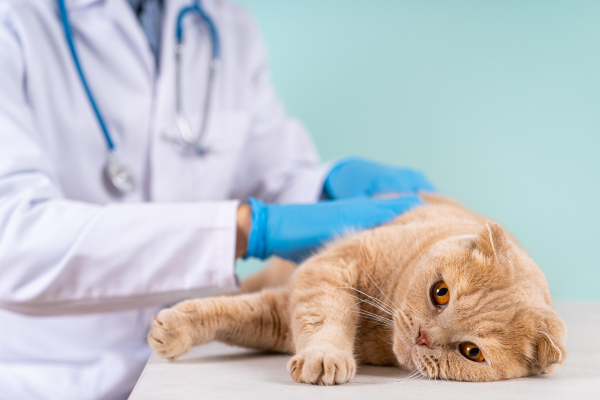
A blocked cat needs veterinary intervention. Treatment may include:
- Emergency stabilization and pain control
- Relief of the obstruction (urinary catheterization) under appropriate care
- IV fluids and monitoring of kidney values and electrolytes
- Hospitalization until the cat can urinate reliably on their own
- Medications for pain, spasm, and inflammation
- Dietary and environmental changes to reduce recurrence risk
- Surgery in select recurrent or stone-related cases (discussed case by case)
- Encouraging water intake (fountains, wet food when appropriate)
- Enough clean litter boxes for the household
- Reducing conflict/stress between cats
- Weight management
- Therapeutic diets when recommended
- Prompt exams at the first litter-box change
Outcomes are best when care starts early – before kidney values and potassium climb dangerously.
Prevention strategies may include:
—
F.A.Q
Can a cat urinary blockage clear on its own?
Do not wait for that. A true blockage requires veterinary care. Delaying can be fatal.
Are male cats really at higher risk?
Yes. Their narrower urethra makes complete obstruction more likely.
Is straining always a blockage?
No – but you cannot safely rule a blockage out at home. When in doubt, call.
How can I prevent another urinary crisis?
Hydration, litter-box management, stress reduction, weight control, and vet-guided diet all help. We'll build a plan for your cat.
Should I go to an ER if you're closed?
Yes, if your cat cannot urinate or is declining. Urinary blockage is time-sensitive.

Related Care and Pet Health Resources
Browse more cat health concerns or return to all pet health concerns.
Request an appointment if your pet needs veterinary care.