
Dog Limping
Causes, warning signs, and when to reach out to a dog limping vet in Lakeville, MN.
A limping dog is hard to watch. Whether it came on suddenly or you’ve been noticing it get worse over time, it’s natural to wonder what’s going on and whether you need to do something about it right now.
Sometimes a limp is minor, a pebble stuck in a paw, a small cut, or a little soreness after a long run. Other times it points to something more serious that needs prompt veterinary care. Knowing the difference matters.
This guide covers the most common reasons dogs limp, what the warning signs are, and when to contact a veterinarian in Lakeville, MN.
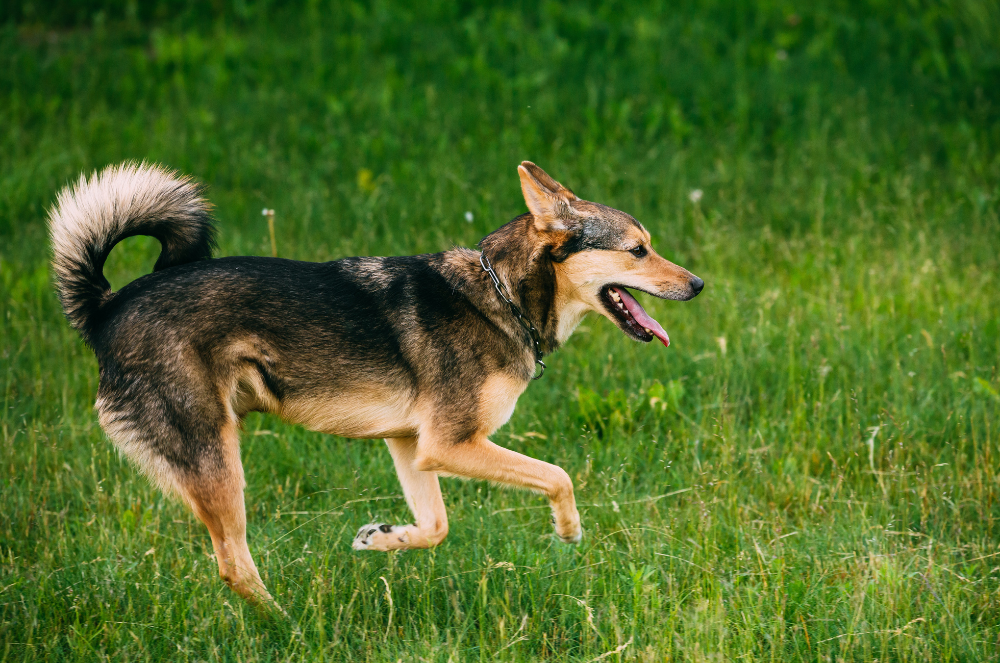
What Causes Limping in Dogs?

Limping is a symptom, not a diagnosis. It just means your dog is compensating for pain or discomfort somewhere in their leg, paw, or joint. The list of possible causes is long.
Common causes include:
- Paw injury (cut, splinter, cracked nail, or object stuck between toes)
- Sprain or muscle strain
- Ligament injury (torn CCL/ACL is one of the most common)
- Joint inflammation or arthritis
- Hip dysplasia
- Bone fracture
- Luxating patella (kneecap that slips out of place)
- Lyme disease or other tick-borne illness
- Bone infection
- Nerve damage
- Growing pains in puppies (panosteitis)
- Bone cancer (osteosarcoma)
Age, breed, and which leg is affected all help narrow things down. A limping senior Labrador is a different conversation than a limping young Border Collie.
Don’t Just Take Our Word For It

When Is A Dog Limping an Emergency?
Some cases of limping need to be seen urgently in the same day. Don’t wait for a scheduled appointment if your dog:
- Won’t put any weight on the leg at all
- Is in obvious pain or crying out
- Has a visibly broken bone or dislocated joint
- Has a swollen, hot, or misshapen limb
- Is bleeding from the leg or paw
- Is also lethargic, vomiting, or refusing to eat
- Collapsed or suddenly can’t walk
- Was hit by a car or suffered a significant fall
These situations need immediate veterinary evaluation. Call us or head to an emergency clinic right away.
What To Do When Your Dog Is Limping but Not Crying
This is one of the most searched phrases around dog limping, and it makes sense. Dogs are wired to hide pain. A dog that’s limping but seems otherwise fine, still eating, still wagging, still interested in going outside, can actually be masking significant discomfort.
Don’t use your dog’s pain tolerance as a gauge for how serious the injury is. A dog quietly favoring one leg for more than 24 to 48 hours deserves a closer look, especially if there’s no obvious explanation like a visible cut or thorn.
Dog Limping on Front Leg vs. Back Leg
Where your dog is limping can offer some clues.
Front leg limping is often associated with:
- Paw or nail injuries
- Elbow dysplasia
- Shoulder injury
- Ligament or tendon issues in the lower leg
- Lyme disease (can affect any joint but commonly shows up in front legs)
Back leg limping is often associated with:
- Torn CCL (the canine equivalent of an ACL tear)
- Hip dysplasia
- Luxating patella
- Arthritis in the hips or knees
- Nerve or spinal issues
Either way, a physical exam is the only way to know for sure what’s going on.
Why Families Choose Us
Family-Centered Care
Award-Winning Team
Independently Owned
Dog Limping After a Walk or Exercise
If your dog limps after activity but seems fine before it, that pattern is worth paying attention to. It often points to a joint condition like arthritis or early hip dysplasia, where movement and impact aggravate inflammation that builds over time.
This is especially common in:
- Older dogs
- Large and giant breeds
- Dogs who’ve had previous joint injuries
Post-exercise limping that keeps showing up isn’t something to walk off. It usually gets worse without treatment, and the earlier it’s addressed, the better the outcome.
How We Diagnose Limping in Dogs
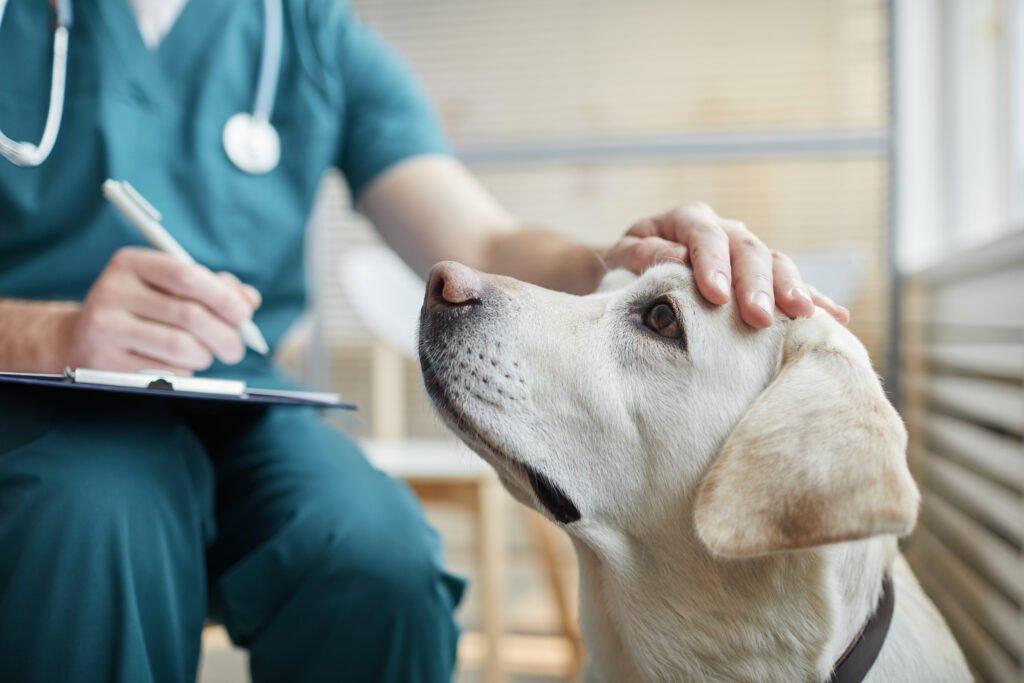
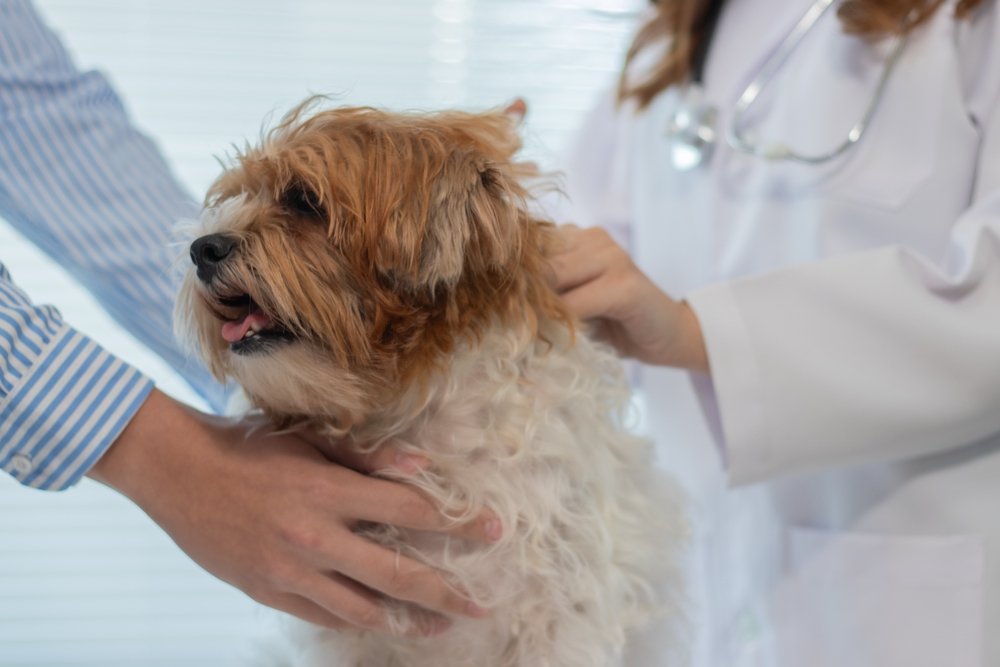
At Lakeville Family Pet Clinic, a limping dog gets a thorough evaluation. Identifying the exact source of pain is the priority, because treatment depends entirely on the cause. Depending on your dog’s symptoms and history, evaluation may include:
- Full physical and orthopedic examination
- Gait analysis
- Paw and nail inspection
- Joint manipulation to assess range of motion and pain response
- X-rays
- Bloodwork (if tick-borne disease or systemic illness is suspected)
We’ll take the time to find what’s actually going on rather than guess.
Treatment Options for Dog Limping
Treatment depends completely on the diagnosis.
Options may include:
- Rest and activity restriction
- Anti-inflammatory or pain medication
- Joint supplements
- Physical rehabilitation
- Surgical repair (for torn ligaments, fractures, or luxating patella)
- Antibiotics (if infection or tick-borne illness is involved)
- Long-term management for arthritis or hip dysplasia
- Weight management to reduce joint stress
A lot of dogs do very well with treatment, especially when it starts early. The longer a structural problem goes unaddressed, the more secondary damage tends to build up.

F.A.Q
Should I walk my dog if they're limping?
It depends on the severity. For a mild limp with no swelling or obvious pain, rest is usually the right call. Continuing to exercise a dog with a significant injury can make things worse. When in doubt, call us before your next walk.
Can a dog limp heal on its own?
Minor sprains or paw irritations sometimes resolve with rest within a day or two. But limping that persists beyond 24 to 48 hours, or that comes with any swelling, heat, or behavioral changes, should be evaluated by a vet.
Why is my dog limping after sleeping or resting?
Stiffness that shows up after rest and improves once your dog gets moving is a classic sign of arthritis. It’s worth bringing up at your next visit, or scheduling one if you haven’t noticed it before.
How do I know if my dog's leg is broken?
A broken leg typically causes severe non-weight-bearing lameness, visible swelling, and significant pain. Your dog may cry out when the leg is touched. This is an emergency. Call us or go to an emergency clinic immediately.
Can Lyme disease cause limping in dogs?
Yes. Lyme disease is one of the more common causes of sudden-onset limping in dogs, particularly when the joint shifts from one leg to another. If your dog has had tick exposure and develops a limp, mention it when you call.
