
Dog Not Eating: Causes, Warning Signs, and When to Call Your Veterinarian
When a dog skips a meal, most owners immediately notice – because dogs don’t usually do that. Loss of appetite in dogs can be a passing thing or a sign something more significant is going on. At Lakeville Family Pet Clinic, we see this regularly with patients from Lakeville, Apple Valley, Rosemount, and across the Dakota County area.
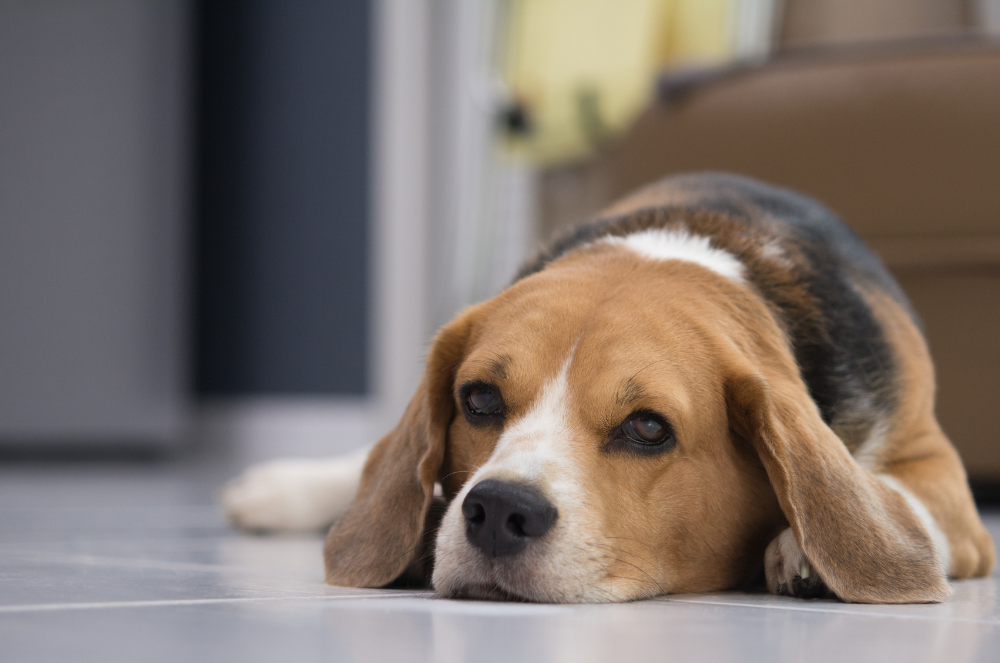
Common Causes of Loss of Appetite in Dogs
A dog that won’t eat could be dealing with any number of things. Common culprits include:
- Gastrointestinal upset (nausea, upset stomach, bloating)
- Dental pain or oral disease
- Infection – bacterial, viral, or parasitic
- Ingestion of a foreign object
- Kidney disease, liver disease, or other organ issues
- Pancreatitis
- Cancer
- Pain from an injury or joint condition
- Stress, anxiety, or significant changes in routine
- A reaction to a new food or recent medication
- Post-vaccination fatigue


When to Seek Urgent Veterinary Care
Appetite changes alone are worth monitoring, but certain combinations of symptoms should prompt a same-day call to your vet. Seek care promptly if your dog:
- Hasn’t eaten for more than 48 hours
- Is also vomiting or has loose stool
- Appears lethargic, weak, or unusually quiet
- Has a distended or painful abdomen
- Is losing weight rapidly
- Shows pale, white, yellow, or blue-tinged gums
- You suspect they ate something they shouldn’t have
If your dog is showing signs of distress or collapse, call (952) 595-6500 or seek emergency care right away.
Why Families Choose Us
Family-Centered Care
Award-Winning Team
Independently Owned
How We Evaluate Appetite Loss at Lakeville Family Pet Clinic
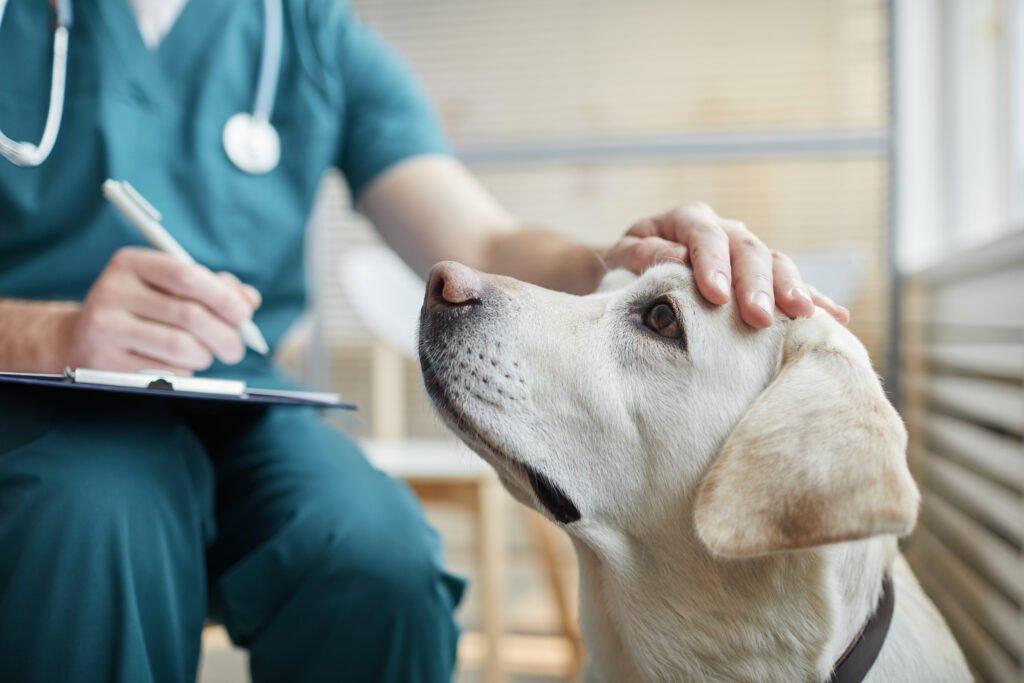
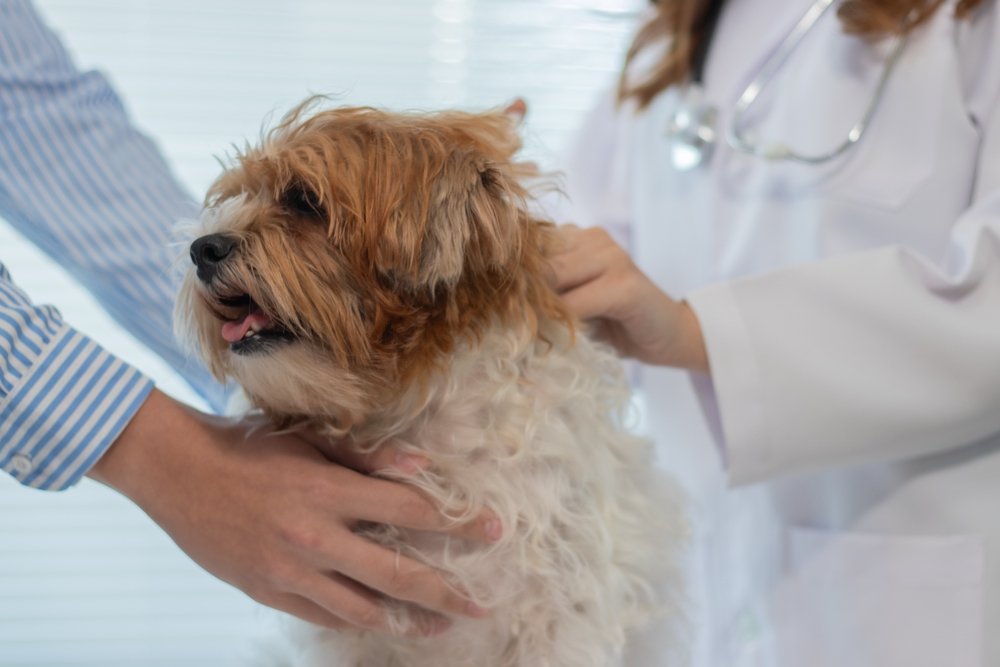
When you bring your dog in, we start with a full physical exam – palpating the abdomen, checking the mouth and teeth, looking at mucous membrane color, and assessing hydration. Bloodwork and urinalysis give us a snapshot of organ function. If we suspect a foreign body or want to evaluate the gastrointestinal tract, imaging is the next step.
Treatment Options
Treatment follows diagnosis. Depending on what we find, options may include:
- Medications for nausea or GI upset
- Antibiotics or antiparasitic treatment for infection
- Fluid support for dehydration
- Dental treatment if oral pain is the cause
- Dietary changes
- Hospitalization for serious or complex presentations
- Referral to a specialist when indicated
F.A.Q
How many meals can a dog skip before I should call the vet?
One skipped meal is usually fine to monitor, especially if your dog is otherwise acting normally. Two missed meals in a row without a clear reason – call your vet.
Can stress or anxiety make a dog stop eating?
Yes. Moving, travel, a new pet in the home, schedule disruption – these can all suppress a dog’s appetite temporarily.
What if my dog won't eat but is still drinking water?
Continued water intake is a good sign, but it doesn’t rule out an underlying problem. If the appetite issue persists beyond 48 hours or you notice any other symptoms, get your vet on the phone.
Should I try to entice my dog to eat with different food while I wait?
A small amount of bland food (plain boiled chicken and rice) can sometimes help with mild GI upset. But if they’re refusing that too, don’t delay a vet visit.
Is it normal for older dogs to eat less?
Seniors sometimes have reduced appetite, but any significant or sudden change in an older dog’s eating habits deserves a workup.

Don’t Just Take Our Word For It
Ready to Come In?
Click here to request an appointment online or call (952) 595-6500.

Related Care and Pet Health Resources
Browse more dog health concerns or return to all pet health concerns.
Request an appointment if your pet needs veterinary care.