
Dog Scratching & Skin Issues
If your dog won’t stop scratching, licking their paws, or developing patches of irritated skin, you’re looking at one of the most common — and most frustrating — concerns we see at Lakeville Family Pet Clinic. Skin problems in dogs rarely have a single obvious cause, which is exactly why a proper evaluation matters.
This guide covers what’s typically behind dog skin issues, when symptoms warrant a same-day call, and what diagnosis and treatment look like at our clinic in Lakeville, MN.

Common Causes of Scratching and Skin Irritation in Dogs
Skin issues in dogs have a lot of potential sources. Here are the ones we see most regularly at our Lakeville clinic.
- Environmental allergies (atopy) — pollen, mold, grass, dust mites
- Food allergies or intolerances
- Flea allergy dermatitis — even a single flea bite can trigger intense itching in sensitive dogs
- Dry skin, especially during Minnesota winters
- Contact dermatitis from cleaning products, plants, or fabrics
- Secondary bacterial or yeast skin infections
- Mange (mites) — less common but worth ruling out
- Hypothyroidism or other hormonal imbalances
A single bout of mild itching after a walk isn’t unusual. Persistent scratching, licking, or visible skin changes are a different story.


When to Seek Urgent Veterinary Care
Most skin conditions aren’t emergencies, but some require a prompt visit. Contact us if your dog has:
- Open wounds, raw skin, or bleeding from scratching
- Hot spots that are spreading or becoming infected
- Hair loss that’s progressing rapidly
- Skin that looks infected — red, swollen, oozing, or malodorous
- Signs of significant pain when touched around the affected area
- Systemic symptoms alongside skin changes: lethargy, loss of appetite, swelling
Skin that’s been broken and left untreated can develop secondary infections quickly. Don’t wait if things are getting worse.
Skin Irritation Without Other Symptoms
Your dog is scratching, but otherwise seems fine — eating, playing, acting like themselves. This is one of the most common scenarios we hear about.
Mild, intermittent itching without hair loss, hot spots, or open skin can often be monitored at home for a few days. That said, if scratching has been going on for more than two weeks without improvement, or if the skin is starting to look different, it’s time to come in. Chronic itch is uncomfortable for your dog even when it doesn’t look dramatic from the outside — and the longer an underlying cause goes unaddressed, the more layers there are to treat.
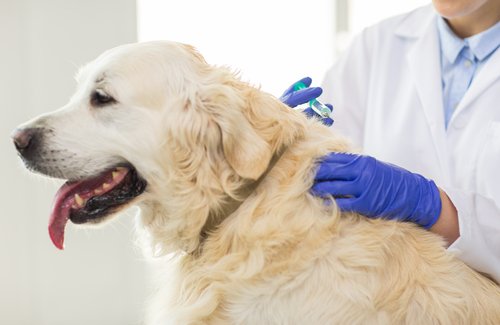

What the Skin Can Tell Us
The appearance and location of skin changes often point toward a cause — which is why we pay close attention to the details during an exam.
- Itchy paws, belly, and armpits — classic presentation for environmental allergies
- Recurrent ear infections alongside skin issues — often food allergy related
- Circular patches of hair loss — may suggest ringworm or mange
- Red, moist hot spots — typically bacterial and can develop quickly
- Flaky, dull coat — may indicate dry skin, nutritional deficiency, or thyroid issues
Paying attention to where your dog scratches most and what the skin looks like helps us narrow things down faster at the appointment.
Why Families Choose Us
Family-Centered Care
Award-Winning Team
Independently Owned
Diagnosing Skin Conditions at Lakeville Family Pet Clinic
Skin issues require a methodical approach. When you bring your dog in, we start with a thorough physical exam — skin, coat, ears, and paws. Depending on what we find, we may recommend:
- Skin cytology — microscopic check for bacterial or yeast infection
- Skin scraping to look for mites
- Fungal culture if ringworm is suspected
- Bloodwork to rule out systemic causes or check thyroid function
- Allergy testing for environmental triggers
- A dietary elimination trial if food allergy is a possibility
Your dog’s history matters here — when the scratching started, whether it’s seasonal, what they eat, and where they spend time all help us narrow things down faster.


How Veterinarians Treat Skin Issues in Dogs
Treatment follows the diagnosis. There’s no one-size-fits-all answer for skin conditions, which is why getting to the root cause matters. Options may include:
- Medicated shampoos and topical treatments
- Oral or topical anti-itch medications
- Antibiotics or antifungals for secondary infections
- Antiparasitic treatment if mites or fleas are involved
- A dietary trial for food allergies
- Allergy management and immunotherapy for environmental triggers
- Nutritional counseling if diet is a contributing factor
Some dogs need ongoing skin management rather than a one-time fix. We’ll walk you through what that looks like for your specific dog.
F.A.Q
What's the most common cause of chronic scratching in dogs?
Environmental allergies are the most frequent culprit — pollen, dust mites, mold, and grass can all trigger itchy skin in dogs, often with a seasonal pattern. That said, food allergies and flea allergy dermatitis are close behind. Getting to the right diagnosis is important because treatment differs significantly depending on the cause.
Can a food allergy cause my dog's skin problems?
Yes. Food allergies in dogs typically show up as itchy skin, recurrent ear infections, and sometimes GI upset — not just digestive issues. A dietary elimination trial is the gold standard for diagnosing food allergies and usually takes 8 to 12 weeks to complete properly.
My dog keeps licking their paws. Should I be worried?
Paw licking is one of the most reliable signs of allergies in dogs — often environmental. It can also indicate a yeast or bacterial infection between the toes. If it’s happening regularly and the skin looks red or irritated, it’s worth coming in rather than waiting to see if it resolves on its own.
Are skin issues in dogs ever fully curable?
It depends on the cause. Infections, mange, and reactions to a specific allergen that can be eliminated are often fully treatable. Environmental allergies are typically managed long-term rather than cured — but effective management makes a significant difference in a dog’s comfort and quality of life.

Don’t Just Take Our Word For It
Reducing the Risk of Future Skin Problems
You can’t prevent every flare-up, but a few consistent habits help:
- Stay current on flea and tick prevention year-round
- Transition to new foods gradually over 7 to 10 days
- Bathe your dog with a veterinarian-approved shampoo — avoid over-bathing, which strips natural oils
- Schedule routine wellness exams so early skin changes get caught before they progress
- Talk to your vet if GI issues and skin problems keep recurring together — food allergy is worth ruling out
Is Your Dog’s Skin Driving You Both Crazy?
Skin problems are fixable. They just need the right diagnosis first. Whether this started recently or has been going on for months, our Lakeville veterinary team can help figure out what’s actually going on.
Click here to request an appointment online or call (952) 595-6500. The sooner we know the cause, the sooner your dog feels better.

Related Care and Pet Health Resources
Browse more dog health concerns or return to all pet health concerns.
Request an appointment if your pet needs veterinary care.