
Pet Heatstroke
Heatstroke warning signs and what to do if your dog (or cat) overheats in Lakeville, MN.
Minnesota summers can turn dangerous fast for pets – especially short-nosed dogs, seniors, overweight pets, and any animal left in a hot car or exercised in peak heat. Heatstroke is a medical emergency. Body temperature climbs, organs struggle, and minutes matter.
If your pet is panting uncontrollably, weak, vomiting, collapsing, or has bright red or pale gums after heat exposure, start safe cooling and call us (or emergency care) immediately.
This guide covers warning signs, first steps, and prevention for families in Lakeville and surrounding Dakota County.
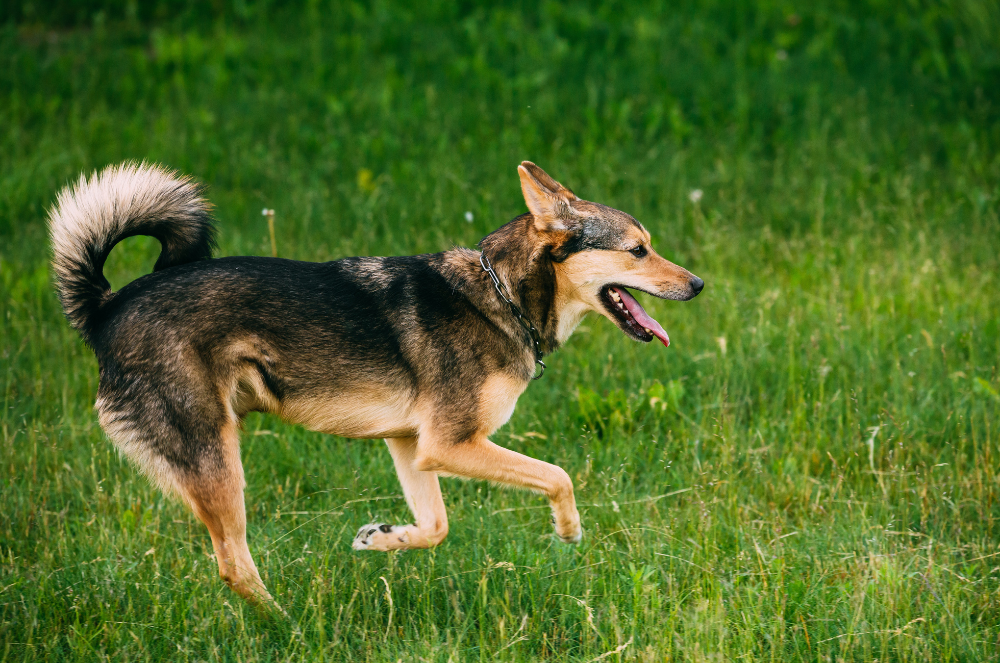
What Causes Heatstroke In Pets?

Heatstroke happens when a pet cannot cool themselves adequately. Common scenarios include:
- Hot cars (even with windows cracked)
- Midday walks or runs in heat/humidity
- Being left outdoors without shade and water
- Overexertion in brachycephalic breeds (Bulldogs, Pugs, etc.)
- Thick-coated breeds in summer
- High humidity that blocks evaporative cooling
- Pre-existing heart or respiratory disease
Don’t Just Take Our Word For It

When Is Overheating An Emergency?
Do not wait for them to sleep it off.
- Heavy, continuous panting that does not settle with rest in shade
- Weakness, collapse, or disorientation
- Vomiting or diarrhea after heat exposure
- Bright red, pale, or blue gums
- Thick saliva
- Seizures
What To Do First If Your Pet Is Overheating
**1. Move to air conditioning or shade immediately**
**2. Offer small amounts of cool (not ice-cold) water if they can swallow normally**
**3. Wet the body with cool water – focus on paw pads, belly, and armpits; use a fan if available**
**4. Do not use ice baths (can worsen heat retention)**
**5. Call us or an ER while you cool – they may need IV fluids and monitoring even if they look better**
Never leave pets in parked cars.
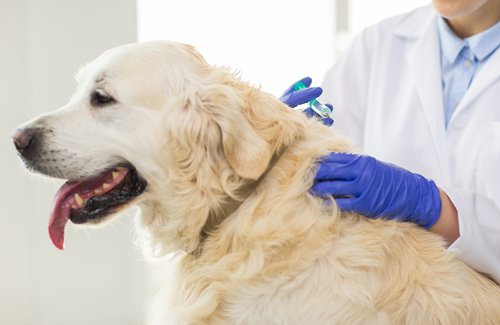
Heat Exhaustion Vs. Heatstroke
Heat exhaustion is the warning zone: heavy panting, slowing down, seeking shade. Heatstroke is the crisis: neurologic signs, collapse, organ stress.
Any pet that needed active cooling after heat exposure should be examined. Looking mostly better at home does not rule out internal damage.
Why Families Choose Us
Family-Centered Care
Award-Winning Team
Independently Owned
Preventing Future Problems
Prevention is the best treatment. Build summer routines around cooler hours, water access, and knowing when to skip the long walk.
—
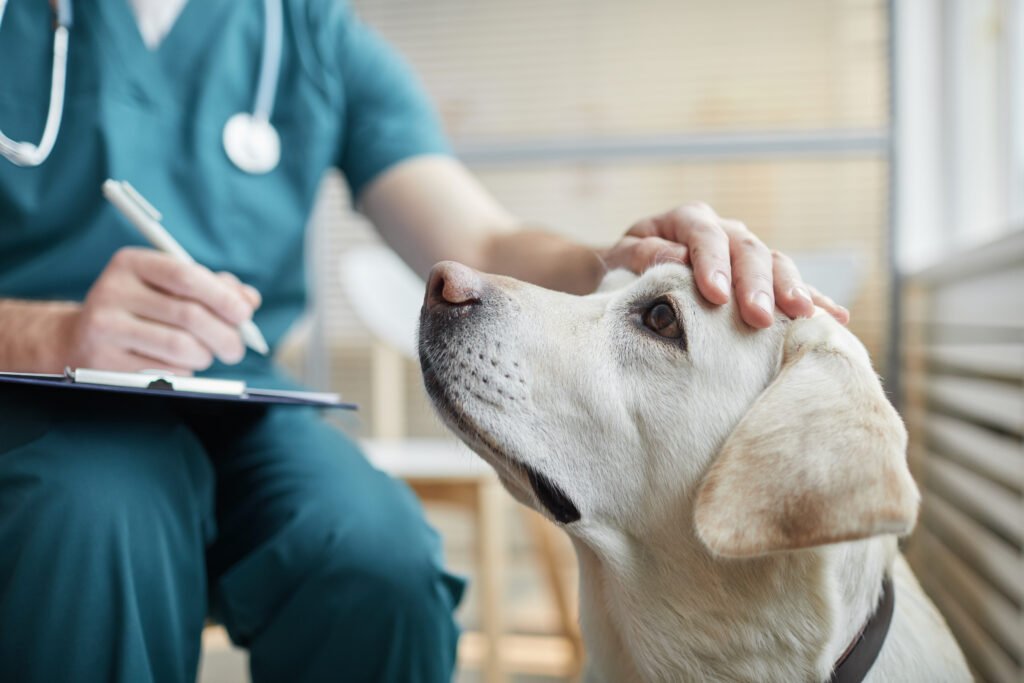
How We Treat Heatstroke
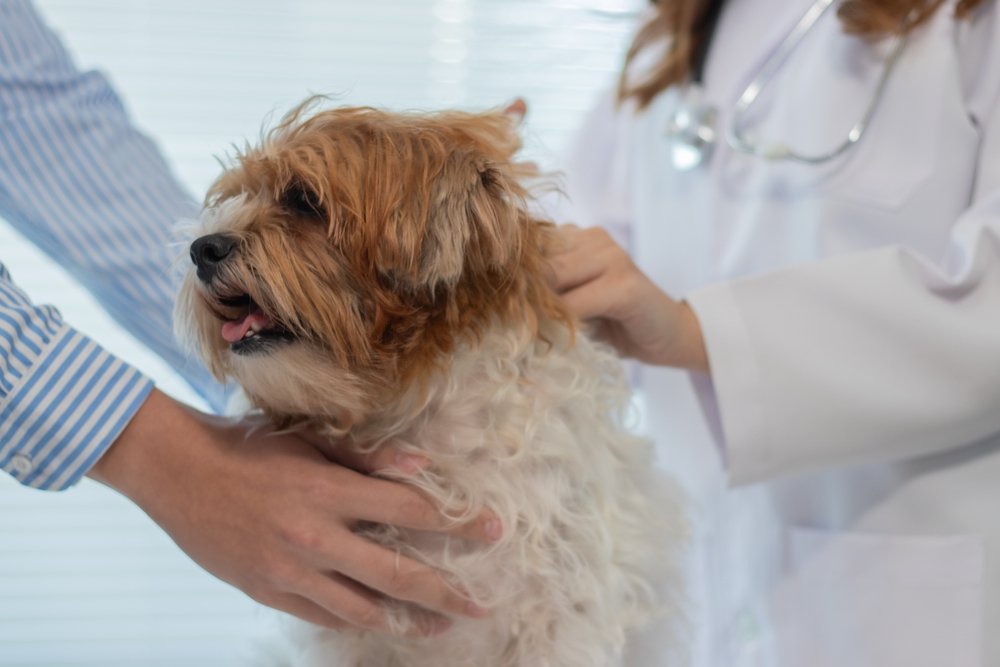
Emergency care may include:
- Controlled cooling
- IV fluids
- Oxygen support
- Bloodwork to assess organs and clotting
- Monitoring for secondary complications
- Hospitalization until stable
Prevention For Lakeville Summers
- Walk early morning or late evening in hot weather
- Carry water on outings
- Never leave pets in cars
- Provide shade and water outdoors
- Use caution with short-nosed and thick-coated breeds
- Watch humidity, not just the thermometer
- Know your pet's limits – if they lag behind, stop
F.A.Q
Can cats get heatstroke too?
Yes, though dogs are more commonly affected. Cats in hot rooms or cars are still at risk.
Is it safe to shave my double-coated dog in summer?
Ask us first. Coat type matters; improper shaving can worsen sun/heat issues for some breeds.
How hot is too hot for a walk?
If asphalt is too hot for your hand, it's too hot for paws – and humidity can make milder temps unsafe for some dogs.
Should I use ice packs?
Cool water and airflow are safer first steps than icing. Follow veterinary guidance for severe cases.
My dog recovered after cooling. Still come in?
Yes – delayed organ complications are possible. An exam is the safer choice.

Related Care and Pet Health Resources
Browse more dog health concerns or return to all pet health concerns.
Request an appointment if your pet needs veterinary care.